
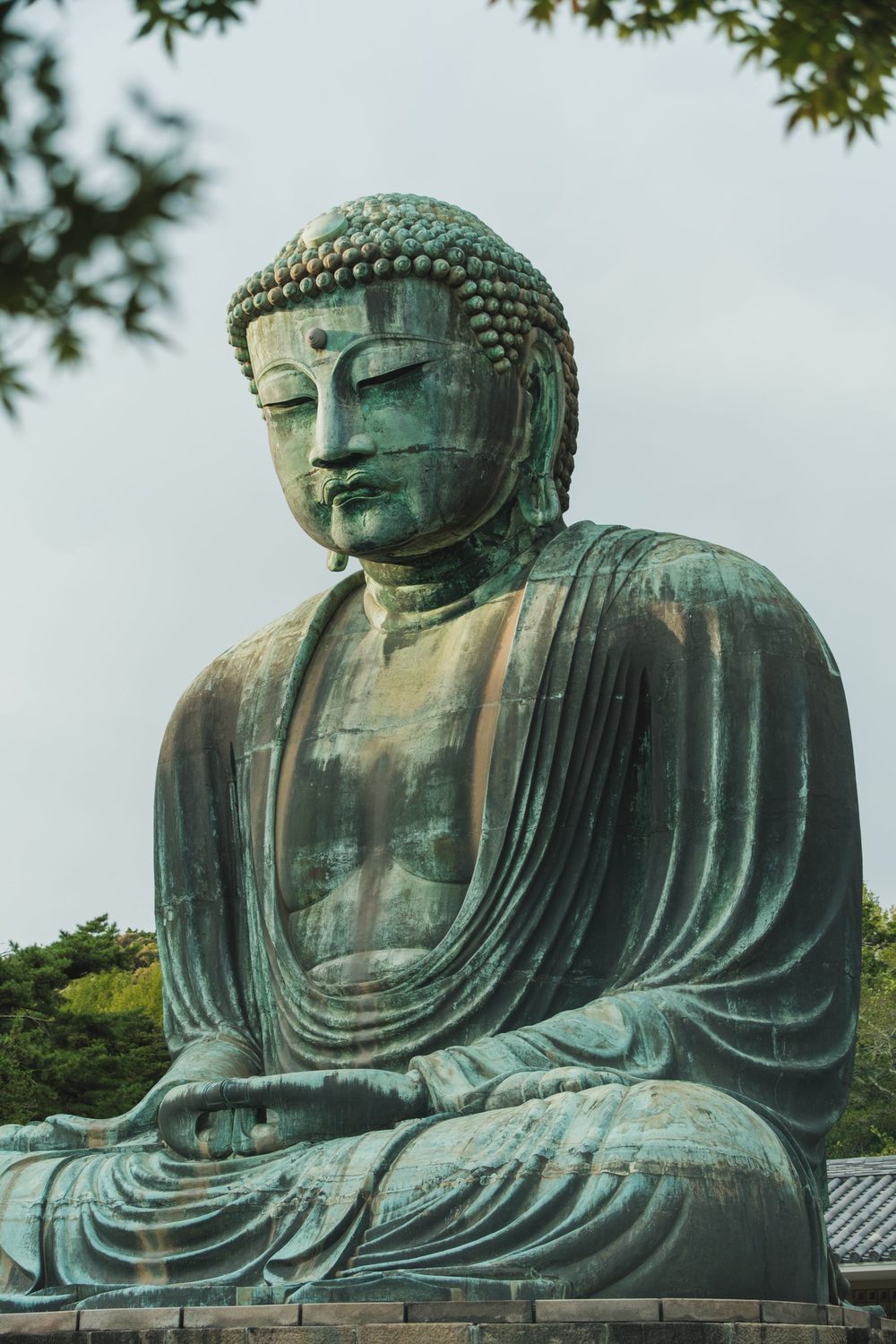
Ancient temples and neon cities, bullet trains and quiet gardens. Japan is unlike anywhere else on earth, and I know it firsthand, having navigated it on my own.
Japan can feel intimidating to plan, between the language, the trains, and the etiquette. I take all of that off your plate so you can simply fall in love with the place.
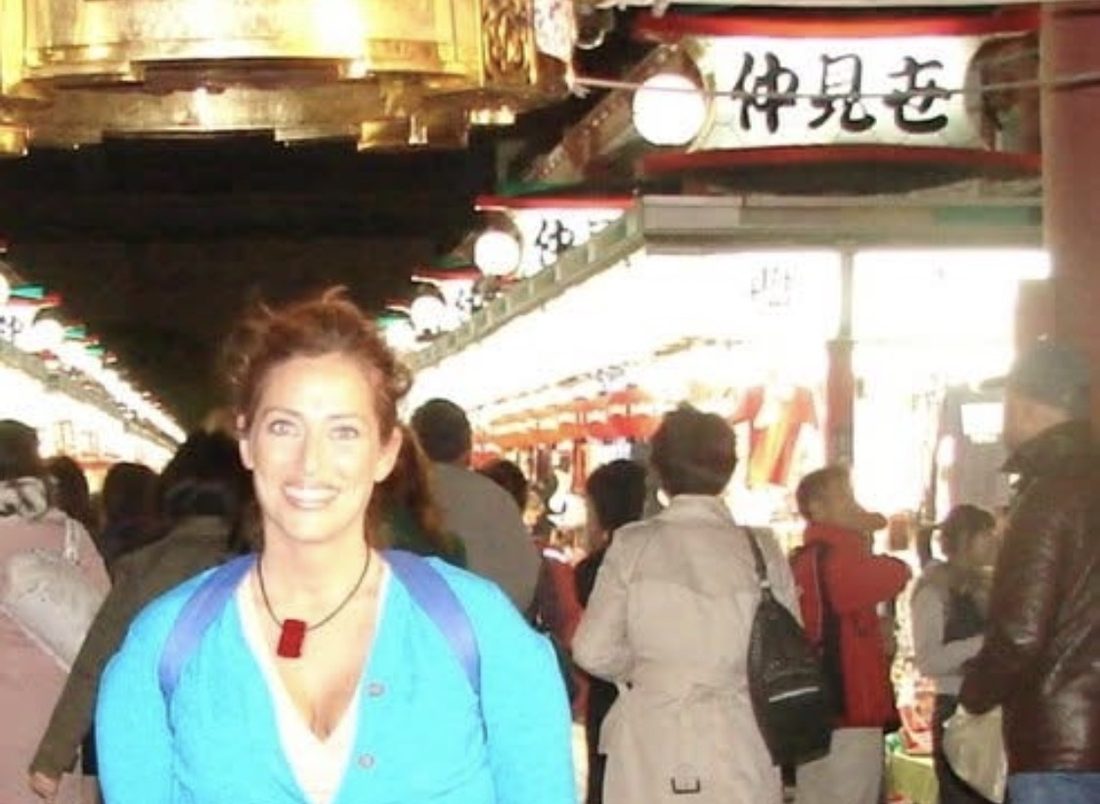
I will say this plainly: Japan is the destination where working with an advisor changes the most. Not because it is unsafe or difficult, because it is neither, but because the good hotels book early, the rail system rewards knowing what you are doing, and the best restaurants and experiences require reservations made weeks ahead in Japanese. Doing it well takes work. That is my job.
Where to Go in Japan
Tokyo. Endless energy, remarkable food, world class shopping, and neighborhoods that each feel like their own city. Shinjuku and Shibuya for the lights and the crowds, Ginza for shopping, Asakusa for the old city, and Yanaka for the Tokyo most visitors never see. Give it four nights minimum. Three is not enough and you will feel it.
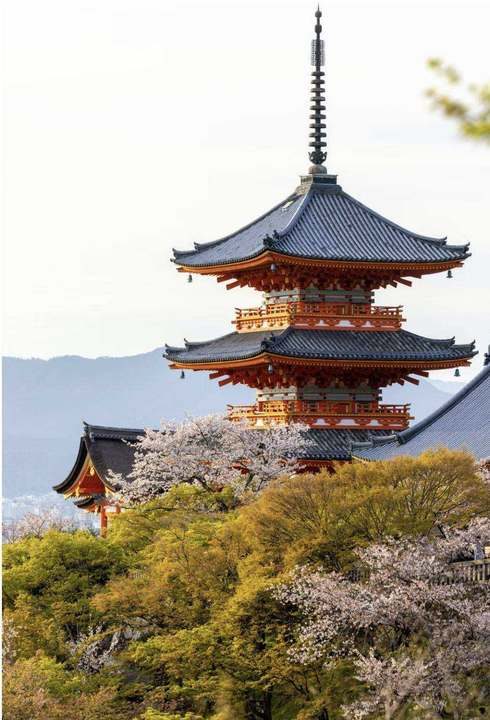
Kyoto. The soul of old Japan, with thousands of temples, torii gates, gardens, and traditional geisha districts. Kyoto is also genuinely crowded now at the famous sites, so timing your days matters: Fushimi Inari at dawn is a different experience than Fushimi Inari at noon. That kind of scheduling is what I build into your itinerary.
Osaka. Street food heaven and lively nightlife, with a warmth and humor all its own. Dotonbori at night is a spectacle, and Osaka works well as a base for day trips to Nara and Himeji.
Beyond the cities. Hakone for hot springs and Mount Fuji views, Nara for its friendly deer and giant Buddha, Kanazawa for gardens and crafts, and the Japanese Alps around Takayama to truly slow down. A night in a traditional ryokan with a hot spring bath and a multi course dinner is the memory most of my clients come home talking about.
Getting Around
The trains are the best in the world, and the shinkansen between Tokyo and Kyoto takes a little over two hours. The Japan Rail Pass used to be an automatic yes, but after its price increase it only pays off on certain itineraries now. I run the numbers for your specific route instead of assuming, which often saves clients a few hundred dollars.
In the cities you will use the subway constantly, and a rechargeable IC card makes it painless. You will not need a rental car, and in most of Japan you genuinely do not want one.
When to Go
Spring, late March into April, brings the famous cherry blossoms. The bloom lasts about a week in any given city and shifts by a week or two year to year, so chasing it takes planning and a little luck. I build itineraries that move with the bloom front rather than betting everything on one city.
Autumn, October and November, brings brilliant foliage and the most comfortable weather of the year. If you want the beauty without the cherry blossom crowds and prices, this is my recommendation.
Summer is hot and humid, though the mountains and the northern island of Hokkaido are lovely. Winter is quiet and clear, with world class skiing and snow monkeys, and it is the best value season.
Two windows to avoid if you can: Golden Week at the end of April into early May, and the Obon holidays in mid August. The whole country travels then.
Good to Know Before You Go
Japan is safe, clean, and astonishingly easy once you are there. A passport is required and most visitors do not need a visa for a short stay. Cash still matters more than you would expect at small restaurants and shrines. Tipping is not customary and can even cause confusion. And the best sushi counters, kaiseki restaurants, and teamLab style attractions sell out weeks in advance, which is the single most common regret I hear from people who planned Japan themselves.
Ways to Experience Japan
First trips, honeymoons, food journeys, solo travel, and cherry blossom or foliage tours all take planning. I build the route, the rail arrangements, and the reservations around what matters most to you. Japan is also one of the best solo destinations in the world, which I can speak to directly.
Why Plan Japan With Me
I have navigated Japan on my own, so I know how to make it effortless for you. You get firsthand knowledge, the right hotels and rail arrangements, and someone handling every reservation so you can simply experience it. I also know where the itinerary needs breathing room, because Japan tempts you into packing too much in and the trip is better when it does not.
Related reading: my own first solo trip, and what it taught me, is in How to Plan Your First Solo Trip.
Japan Travel Questions
How many days do you need in Japan?
Ten to fourteen nights for a first trip. That covers Tokyo, Kyoto, and one or two smaller places without feeling rushed. Seven nights works if you limit yourself to Tokyo and Kyoto. Anything shorter and the long flight starts to outweigh the trip.
Is Japan hard to travel in if you do not speak Japanese?
Not at all. Signs in the cities and train stations are in English, people are helpful, and translation apps handle the rest. The harder part is not communication, it is knowing what to book and when, which is what I handle.
Is the Japan Rail Pass worth it?
It depends on your route now. After the price increase it no longer pays off automatically. For a Tokyo and Kyoto trip with a day trip or two, individual tickets are often cheaper. For a wider loop it still wins. I run the math for your specific itinerary.
When is the best time to visit Japan?
Late March into April for cherry blossoms, and October into November for autumn color and the best weather. Autumn is my usual recommendation because it is just as beautiful and far less expensive than blossom season.
How far in advance should I book a trip to Japan?
Nine to twelve months for cherry blossom season or autumn, and six months for other times. Japan's good hotels are small and they fill early. Restaurant and experience reservations happen closer in, and I handle those on your behalf.
Is Japan expensive?
Less than most people assume. Flights are the big cost. Once you are there, food is a tremendous value at every level, trains are reasonable, and hotels cost about what a comparable US city would. It is one of the better value long haul trips you can take.