
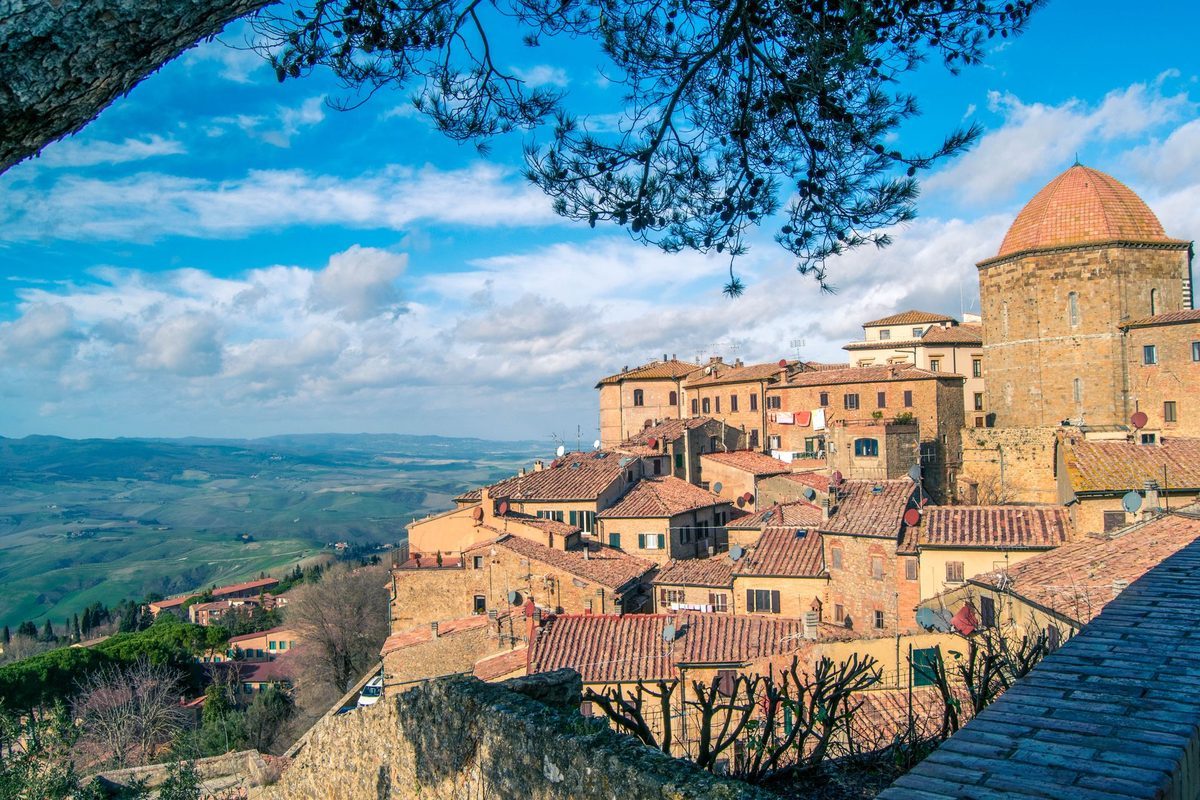
Rome, Florence, Venice, the Amalfi Coast. Italy is the trip almost everyone has on their list, and there is a reason it keeps earning that spot. Food, art, history, and coastline, all within a few hours of each other by train.
Italy is also the destination most often planned badly. Four cities in seven days, a rental car no one needed, a hotel in the wrong neighborhood, and a trip spent in transit. I build Italy so you spend your days in the places rather than between them.
Where to Go in Italy
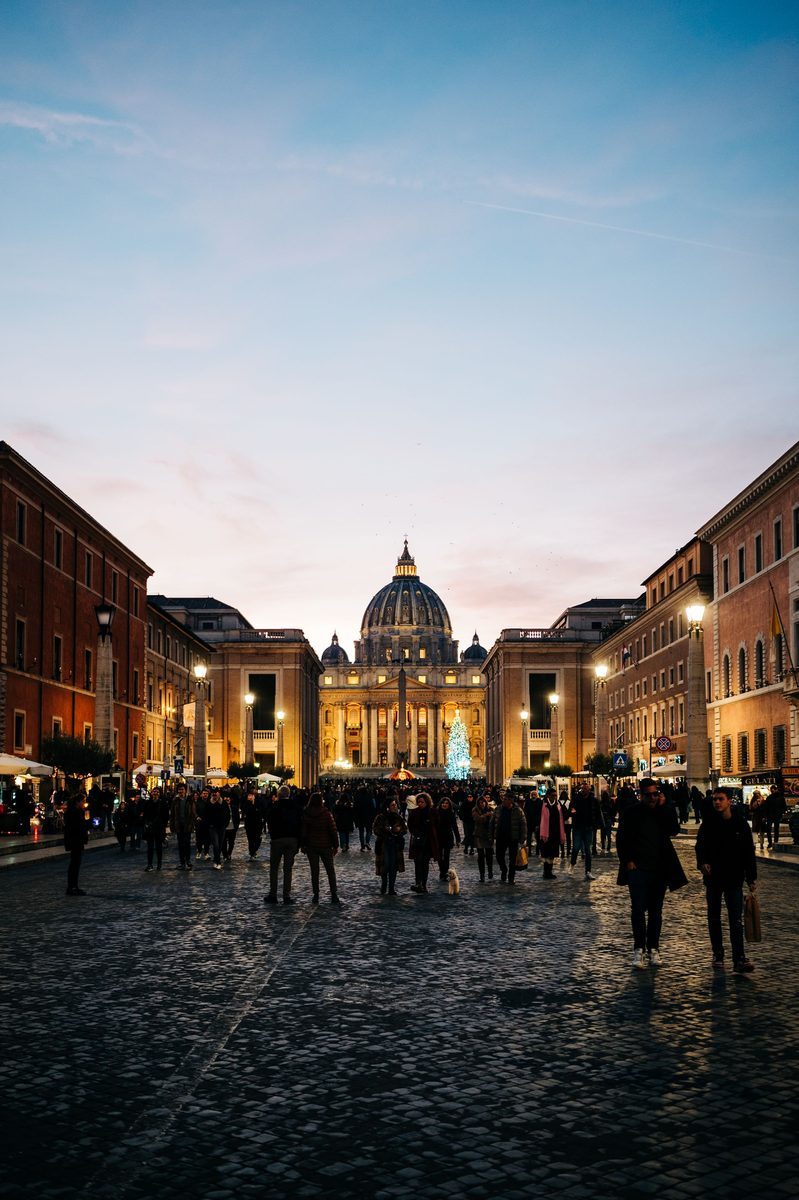
Rome. Three thousand years of history stacked on top of itself, with the Colosseum, the Vatican, the Pantheon, and the best street level eating in the country. Give it three nights minimum. The major sites need timed tickets booked well ahead, and a good private guide turns the Forum from a pile of rocks into a story.
Florence and Tuscany. The Renaissance in one walkable city, then the hill towns and vineyards just outside it. Florence itself needs two or three nights, and Tuscany rewards a few days in the countryside after. This is the one part of Italy where a rental car genuinely helps.
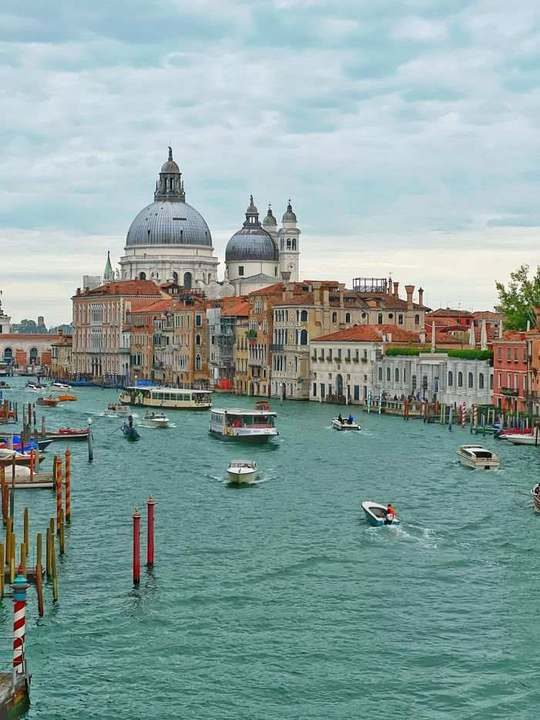
Venice. There is nothing else like it, and it is worth every bit of the hype if you do it right. Stay two nights so you get an evening and an early morning after the day crowds leave, which is when Venice becomes the city people fall in love with.
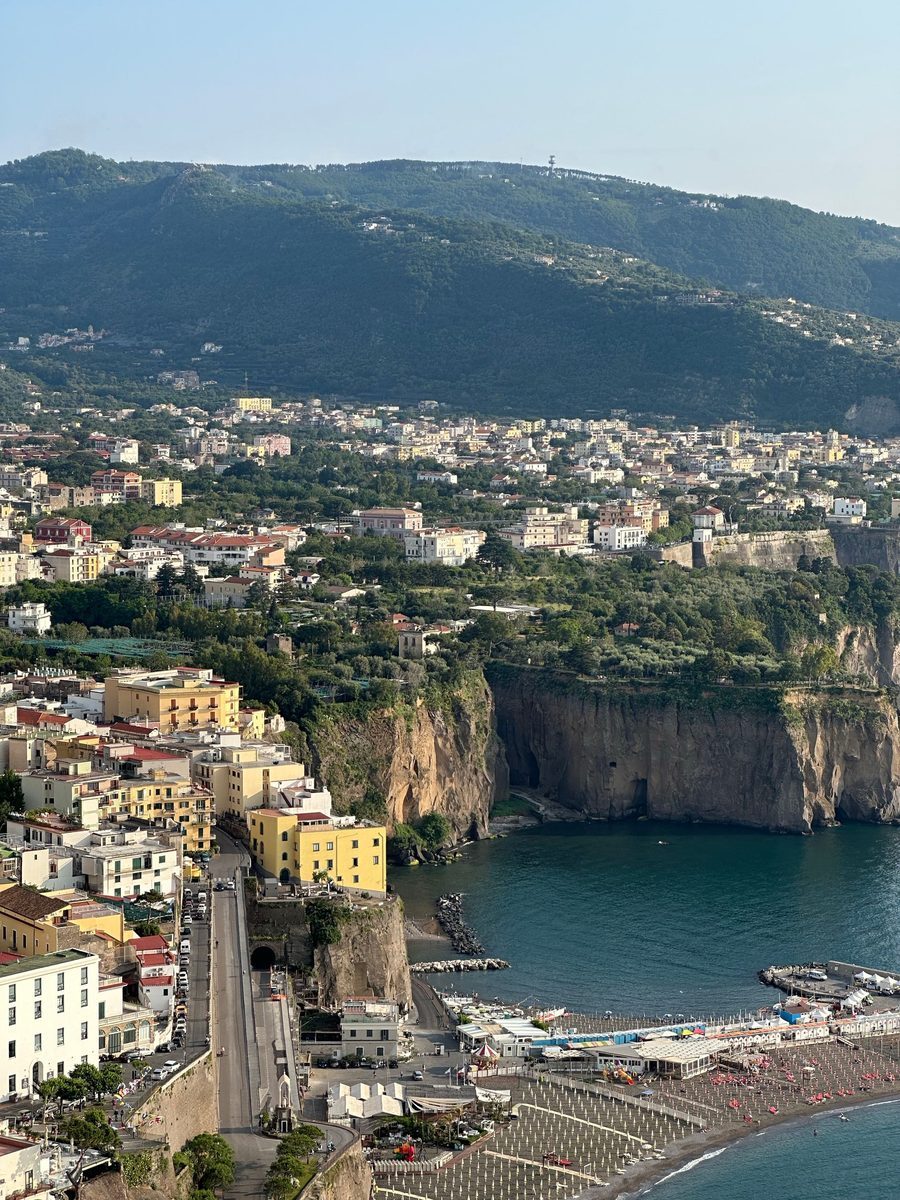
The Amalfi Coast and Sorrento. Cliffs, lemon groves, and impossibly blue water, with Positano, Ravello, and Capri close at hand. Sorrento makes the easiest base. The roads here are narrow and the drive is not for everyone, so I arrange private transfers and ferries instead.
Beyond the classics. Lake Como for elegance and quiet, Cinque Terre for the coastal villages, Puglia for a slower and more affordable south, and Sicily for food, ruins, and a culture all its own. These are where I steer repeat visitors and travelers who want fewer crowds.
How Much Italy Fits in One Trip
My rule is one city for every three nights, and no more than three bases in ten days. Rome, Florence, and Venice is the classic first trip and it works well because the train connections are fast and direct. Adding the Amalfi Coast to that same week does not work, and I will tell you so rather than sell you a trip you will come home tired from.
A better ten day version: Rome, Florence with a Tuscany day, and Venice. Or Rome, the Amalfi Coast, and home. Depth beats coverage in Italy every time.
When to Go
Late April through June, and September into early October, are the best windows. Warm weather, long days, and manageable crowds.
July and August are hot, crowded, and expensive, and in August many local businesses close while Italians take their own holidays. The coast is still lovely if those are your only dates, and I plan accordingly.
November through March is quiet and far cheaper, and the cities are wonderful in the cold. Some coastal towns and Amalfi hotels close for the season, so winter means cities rather than beaches.
Good to Know Before You Go
You need a passport valid for at least three months beyond your departure from Europe, and I check that early. Trains are excellent between major cities and reservations are worth making in advance. Do not drive into historic city centers: most are restricted zones, cameras enforce them automatically, and the fines arrive months later. Venice charges day visitors an access fee on certain dates, which does not apply to overnight guests. And a small coperto charge on your restaurant bill is normal rather than a mistake.
Ways to Experience Italy
Honeymoons and destination weddings, anniversary trips, multigenerational family travel, girls getaways, and food and wine journeys. Italy does all of them well. I tailor the route and the pace to your group, because a trip with teenagers and a trip with grandparents are not the same trip even when the map looks identical.
Why Plan Italy With Me
Italy is easy to book and hard to get right. I put you in the right neighborhoods, land the timed tickets and private guides that make the sites worth it, arrange the transfers so the Amalfi roads are not your problem, and keep the itinerary honest about how much a day can hold. Through Fora you also get hotel perks like breakfast, upgrades, and property credits at no additional cost.
Italy Travel Questions
How many days do you need in Italy?
Ten nights for a first trip covering Rome, Florence, and Venice. Seven nights is enough for two of those cities. If you want to add the Amalfi Coast, plan on twelve to fourteen so it does not turn into a week of train stations.
What is the best time to visit Italy?
Late April through June and September into early October. You get warm weather and long days without peak summer heat, crowds, or pricing. Winter is a genuinely good value if you are focused on the cities.
Do I need a rental car in Italy?
Usually not, and often it is a liability. Trains connect the major cities faster than driving. The exception is the Tuscan countryside, where a car is worth it. Never drive into historic city centers, which are camera enforced restricted zones with fines that arrive long after you get home.
Is Rome, Florence, and Venice too much for one week?
It is tight but doable at three, two, and two nights if the trains are booked well. I would rather give you two cities properly than three in a blur, and I will say so when I think a week is being stretched too thin.
How far in advance should I book an Italy trip?
Six to nine months for spring and fall travel, longer if you want a specific small hotel or a villa in Tuscany. Timed entry tickets for the Vatican, the Colosseum, and the Uffizi should be booked as soon as they open.
Is Italy good for a honeymoon?
Very. The Amalfi Coast and Lake Como are the classic choices, Tuscany is the quiet one, and pairing a city with a coast gives a honeymoon a natural rhythm. I plan the romance in without making it feel staged.