
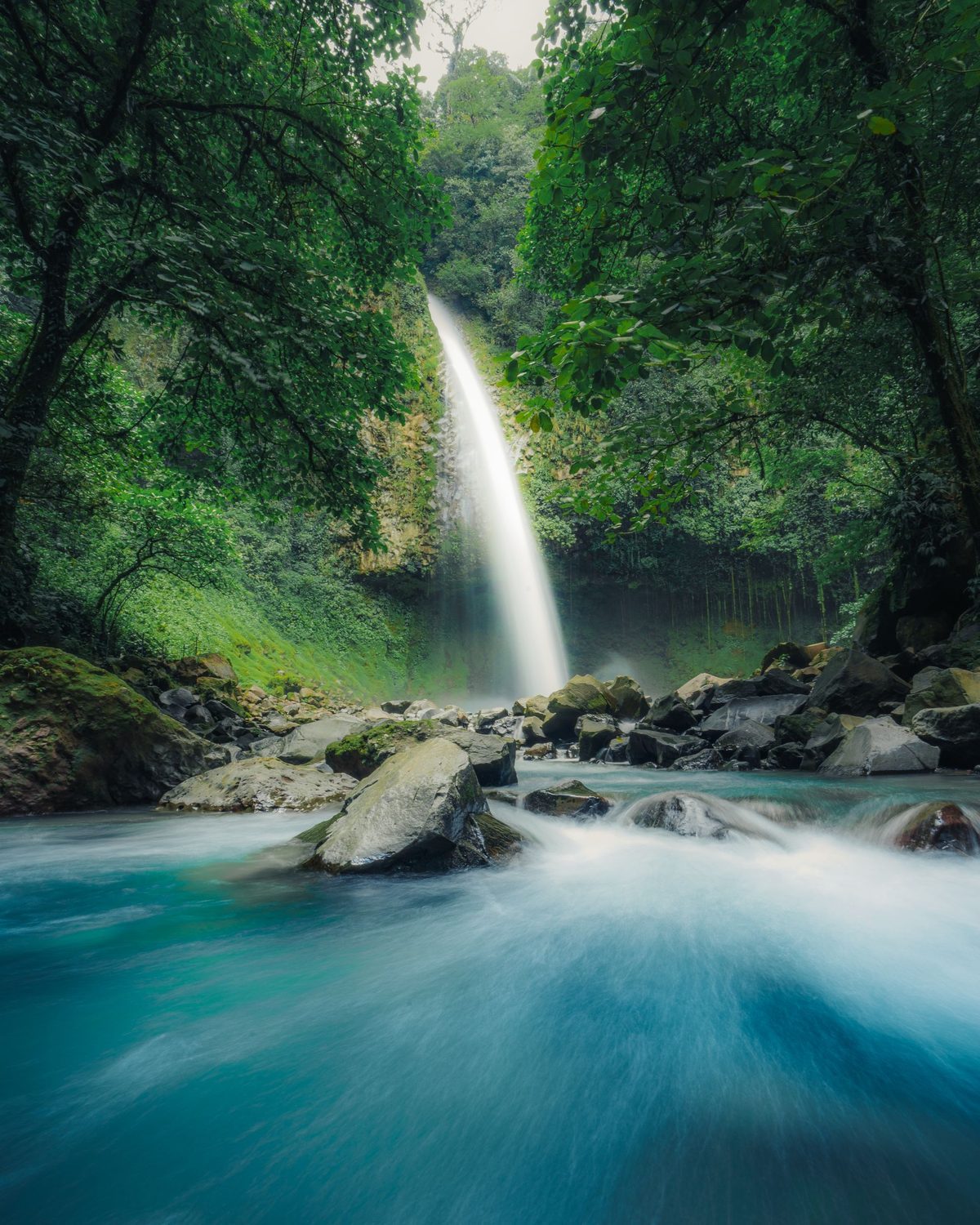
Rainforests, volcanoes, wildlife, and two coastlines of beaches. Costa Rica is pure vida, made for travelers who want adventure and nature wrapped into one unforgettable trip.
The magic of Costa Rica is spread across the country, so planning the route is everything. I map it so you get the rainforest, the volcano, and the beach without wasting a single day in the car.
There is one decision that shapes a Costa Rica trip more than any other, and most travelers do not know to make it: which airport you fly into. San Jose in the center puts you near Arenal and Manuel Antonio. Liberia in the northwest drops you close to the Guanacaste beaches. Choosing the wrong one can cost you five hours of driving. I plan the route first and book the flights to match.
Where to Go in Costa Rica
Arenal and La Fortuna. A towering volcano, natural hot springs, hanging bridges, and waterfalls like the one above. The classic first stop and a favorite for couples and families. You can fill three or four days here easily, between the springs, the suspension bridges, the waterfall, and the wildlife, and it is the most comfortable introduction to the country.
Monteverde. Misty cloud forests, zip lines through the canopy, and some of the best wildlife spotting in the country. It sits high and cool, which surprises people who packed only for the beach, and the road in is slow going. Worth it if cloud forest is on your list, skippable if your days are tight.
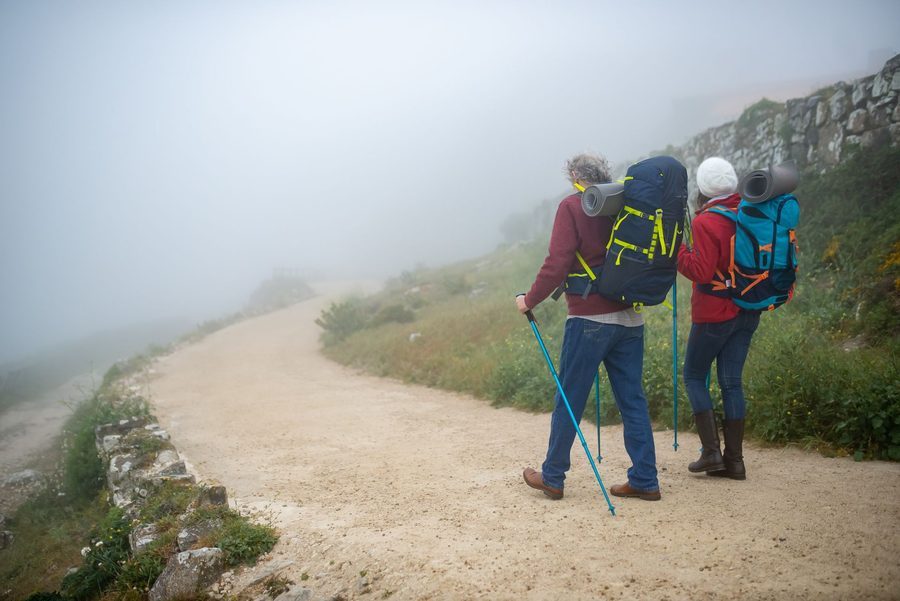
Manuel Antonio. Rainforest that spills right onto the beach, with monkeys, sloths, and easy Pacific coast relaxation. It is the best place in the country to see real wildlife without working hard for it, and the national park is compact enough for a morning. Good for families and anyone short on time.
Guanacaste. Sunny beaches, warm dry weather, and the country's best resorts, ideal if you want more resort and less rough travel. This is where Costa Rica comes closest to a conventional beach vacation, and it pairs well with a few days inland.
The Osa Peninsula and the south. Remote, wild, and the richest biodiversity in the country. For travelers who want the real thing and do not mind that getting there takes effort.
How to Route It
The most common mistake in Costa Rica is trying to see all of it. Distances look short on a map and take twice as long in practice, because the roads wind and the mountains are real. For a week, two bases is right. For ten days, three. I build the route so each move is a reasonable drive or a short domestic flight, and I use private transfers rather than leaving you to negotiate mountain roads after a travel day.
My favorite week in Costa Rica is Arenal first, then the Pacific coast. Volcano, hot springs, and rainforest while you still have energy, then beach and hammock at the end when you want it.
When to Go
The dry season, December through April, brings sunshine and the easiest travel. It is also peak season, with the highest rates and the busiest parks, and the holidays book out far ahead.
The green season, May through November, is lush, quieter, and easier on the budget, with afternoon rains that keep everything vibrant. Mornings are often clear, so you can still do plenty. September and October are the wettest months on the Pacific side, though the Caribbean coast flips the pattern and is at its best then.
Good to Know Before You Go
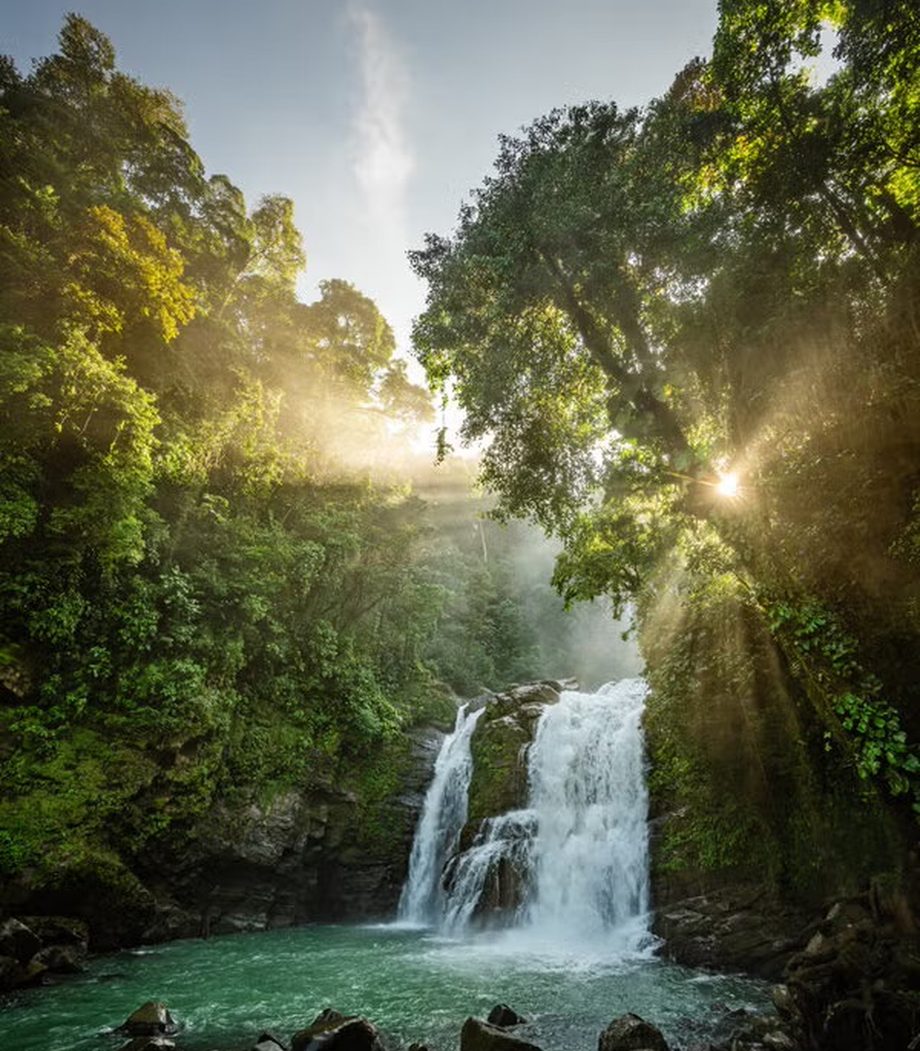
You need a passport, and rental cars really do want four wheel drive outside the main highways. Wildlife viewing is better with a guide than without, every single time, because they see what you would walk right past. Pack for warm and humid plus one cool evening in the highlands. And build in margin on your departure day, because the drive back to the airport is the one place a Costa Rica trip gets tight.
Ways to Experience Costa Rica
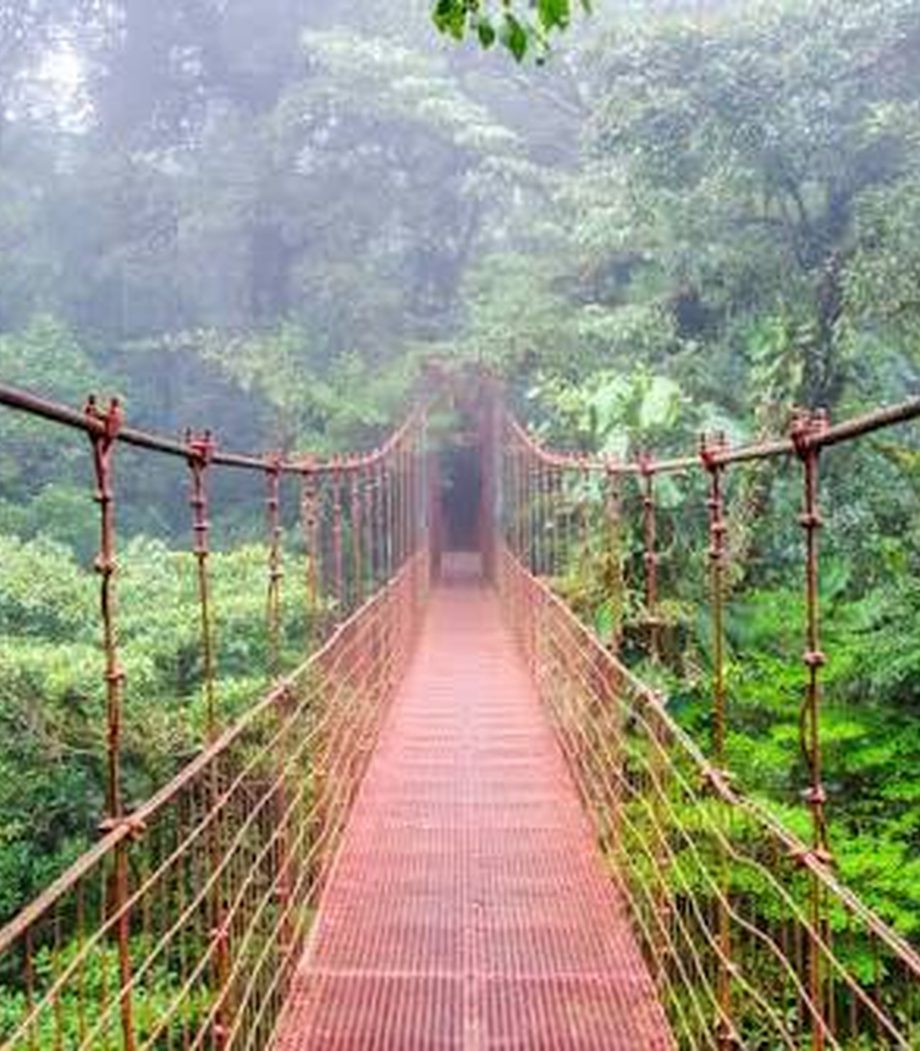
Honeymoons, family adventures, and multigenerational trips all fit beautifully here. Whether you want zip lines and hikes or a hammock and a view, I build it around you. It is also one of the best destinations for a group with mismatched energy levels, because the adventurous ones and the relaxed ones can each have their day.
Why Plan Costa Rica With Me
Costa Rica rewards a smart route. I connect the rainforest, the volcano, and the coast into one seamless trip, pair you with trusted lodges and guides, and stay in your corner the whole way. The lodges worth staying in here are small and independent rather than big brands, which is exactly the kind of place an advisor earns their keep.
Costa Rica Travel Questions
How many days do you need in Costa Rica?
Seven to ten nights. A week lets you do two areas properly, usually a volcano or rainforest base plus the coast. Ten days lets you add a third without rushing. Five nights is possible but you will spend too much of it moving.
Should I fly into San Jose or Liberia?
It depends entirely on your route. Liberia is right for a Guanacaste beach trip. San Jose is right for Arenal, Monteverde, and Manuel Antonio. Many good itineraries fly into one and out of the other, which avoids backtracking and is often the best answer.
Is Costa Rica good for families?
It is one of the best family destinations anywhere. Wildlife that kids actually get excited about, hot springs, zip lines, and short enough drives between stops if the route is planned well. Manuel Antonio and Arenal are the easiest places to start.
When is the best time to visit Costa Rica?
December through April for reliable sunshine, and May, June, or late November for the best balance of value and weather. September and October are the wettest on the Pacific side, though they are the sunniest months on the Caribbean coast.
Do I need a rental car in Costa Rica?
Not necessarily. Private transfers and short domestic flights cover most itineraries and let you skip the mountain roads after a long travel day. If you do want to drive, get four wheel drive and plan on journeys taking longer than the map suggests.
Is Costa Rica expensive?
More than travelers expect. It is not a budget destination the way parts of Central America are, largely because the lodges are small and the guiding is good. The value is in the experience rather than the price, and I am upfront about that before we start planning.