People fly into New Orleans for the food, and they are right to. I live two hours west of it, and the stretch most visitors treat as the drive to get there is the part I would not give up.
I-10 runs across south Louisiana through towns most people have never heard of, and in those towns the food that made New Orleans famous is still being cooked the way it was cooked long before anyone was famous for it. Not as a performance for visitors. As lunch. The woman behind the counter is not telling you the story of Cajun cooking. She is asking whether you want the link hot or cold, because there is a line behind you and it is almost noon.
Every list of America's best food cities puts New Orleans at or near the top. They are not wrong. What those lists never mention is that the two hundred miles of interstate leading into it might be the better part of the trip, and that almost nobody driving it knows to stop.
I have driven that road more times than I can count, usually hungry, often with no plan past where I was going to pull over. What I have come to understand is that the drive is not the thing standing between you and the trip. The drive is the trip. New Orleans is just where it ends.
Strung along that one highway are towns that each claim to be the world capital of something you eat, and several of those claims are official, written into the record by the legislature or the governor. Here is how I would send you down it, west to east, the way I would do it myself.
How to Say the Names
None of these are pronounced the way they look, and nobody expects you to turn up knowing them. Here is a head start anyway, so you can order what you want instead of pointing at it.
Acadiana (ah-cay-dee-ann-uh) is the region. Boudin (boo-dan) is the rice and pork sausage. Gratons (grat-ohn) are the cracklins. Étouffée (ay-too-fay) is the smothered dish served over rice. Andouille (ahn-doo-ee) is the smoked sausage in your gumbo. A roux (roo) is the browned flour and fat every gumbo starts with. Breaux Bridge (bro bridge) is where the crawfish are. The Atchafalaya (uh-chaf-uh-lie-uh) is the basin you cross on a very long bridge.
Two town names further east catch people out, and both keep the French their spelling is hinting at. Gonzales (gohn-zah-les) and LaPlace (lah-plahs), which is not luh-place.
Say one wrong and somebody will say it back to you the right way without making anything of it. That is usually how the conversation starts.
Where to Start, and Which Way to Drive
Drive west to east, Lake Charles to New Orleans. You could do it in reverse, but ending in New Orleans gives the trip somewhere to build to, and it means you are not trying to leave New Orleans on a Sunday morning feeling the way people feel on Sunday mornings in New Orleans.
Give the whole drive three days, start to finish. Two is possible and you will feel rushed the entire time. Four is better, and the extra day goes in the middle, around Lafayette, not tacked onto New Orleans at the end. The middle is where the eating is.
And if you are reading this from Lafayette or anywhere in Acadiana, you do not need the whole thing. The western half is a day trip. So is the eastern half. That is the quiet advantage of living in the middle of it.
Stop One: Lake Charles
Start here · half a day · lunch
You can taste the handoff in a single bowl of gumbo. Lake Charles is where the food stops being Texas and starts being Louisiana.
The city was built on timber. A man named Daniel Goos put up a mill and a dock in the 1850s, the lumber money came in behind him, and carpenters with no architect's drawings built the houses you can still drive past today. That district is called Charpentier, which is French for carpenter. Forty blocks of it, built roughly between 1880 and 1939, and the style is its own because the men building it were inventing it as they went.
Drive those streets first, slowly, with the windows down. Then give an hour to the Mardi Gras Museum on Enterprise Boulevard, which holds the largest collection of Mardi Gras costumes in the South, somewhere around 275 of them on mannequins. It lost its old building to the storms and only reopened in a new one in 2026, so it is both the best thing in town and a story about the town.
One thing to know before you arrive. Two hurricanes hit this city six weeks apart in 2020, and it is still putting itself back together. You will see a restored house with a tarped roof next door to it. That is not a reason to skip Lake Charles. It is a reason to spend money here.
Eat lunch at Darrell's on West College Street. It is a dive bar with televisions on every wall and it is dark inside even at noon, which is the correct lighting for what is about to happen to you. There is a drive-thru, and people use it, because the phone rings a long time at lunch.
Order The Special: ham, turkey and roast beef under house gravy and three cheeses, with a jalapeno mayonnaise that does not announce itself until a second after you have swallowed. The bread is the part regulars talk about, crisp on the outside and light enough inside to soak without collapsing, though by the last third it collapses anyway. The phrase that turns up in review after review, going back years, is juice running down your arm. Take extra napkins. People drive two hours for this sandwich. Closed Sunday.
If you are staying the night before you start, Steamboat Bill's out on the lake is the other one: order at the counter, take a number, and they find you. Get the boudin balls and the rolls, which are the two things people name without being asked. Worth knowing before you go that they add a card surcharge of around four and a half percent, which is not well signposted, so bring cash.
Stop Two: Crowley, the Rice Capital
50 minutes east · an hour and a half · no meal, you just ate
Back on I-10 heading east, and the land flattens out into rice fields on both sides of you. That is not scenery, that is the explanation. Crowley has milled more rice than any other city in the country, and those fields are the reason every plate for the next two hundred miles arrives with rice underneath it.
The town is a railroad speculation that worked. Two brothers laid it out in 1886 and named it after a railroad man to talk him into moving his switch onto their land, which tells you most of what you need to know about how towns happened out here.
Park downtown and walk. Crowley has one of the most intact turn-of-the-century main streets in this part of the state, and what stops you is the First National Bank building from 1921: seven stories of early skyscraper in a street of two-story storefronts, sitting on more than 350 cypress pilings driven into soft ground. Three thousand people turned out for the opening.
Then put forty-five minutes into City Hall, which sounds like a joke and is not. It lives in a 1920 Ford dealership, and it holds four small museums under one roof: one on rice, one on the history of the town, one on the Ford building itself, and one on the recording studio that cut swamp pop, zydeco and blues records here from the 1940s on. If the Grand Opera House is open, look in. It was built in 1901 by a livery stable owner who called himself the Amusement King, closed in 1940, and was brought back after a four and a half million dollar restoration.
You are not eating here, because you had Darrell's an hour ago. If you end up hungry anyway, Fezzo's sits right off the interstate on Rice Capital Parkway, and the thing to get there is the rolls, crusty outside and flaky in the middle, plus whatever is on the oyster bar. Fair warning that regulars have grumbled since they moved to the bigger building, so order simply.
The International Rice Festival takes over downtown the third weekend in October and has been running since 1937, which makes it the oldest agricultural festival in Louisiana. It has a fiddle and accordion contest, a grand parade, and, for reasons nobody has ever explained to me, a frog derby. In Crowley. Eight miles from Rayne.
Stop Three: Rayne, the Frog Capital
8 miles · 30 to 45 minutes · stretch your legs
Eight miles, which is nothing, and this is where the drive stops being about food entirely for half an hour.
Rayne is the Frog Capital of the World, and it earned that the hard way. It started in the late 1800s with a French immigrant named Donat Pucheu selling wild bullfrogs out of his saloon. The Weil brothers took the trade over around 1899 and turned it into an export business, shipping Louisiana frog legs to Chicago, to Los Angeles, to Paris. By the 1930s the Louisiana Frog Company here was the largest shipper of edible frogs in the world. In 1937 alone it sent out half a million frogs.
Which is how, in 1970, two bullfrogs from Rayne ended up in space.
NASA needed frogs for a mission studying the otolith, the organ in the inner ear that tells you which way is down, because they wanted to understand why astronauts get motion sick. They came to the Louisiana Frog Company for them. The two that went were named Pierre and Tee-Nom, and on November 9, 1970 they launched from Wallops Island into Earth orbit and stayed up six days. The experiment worked. The frogs did not come home.
Edwin Edwards, a Crowley boy who was a congressman at the time and later governor four times over, is the one who pushed to get Rayne that contract. So two towns eight miles apart on this road are connected by a frog that went to space, and almost nobody driving between them knows it.
The town has never gotten over the frogs, and you would not want it to. There are well over a hundred ceramic frog statues scattered around Rayne, each one given to a business on the condition that they name it and paint it themselves. There are more than thirty murals, a good number of them frogs, several painted by Robert Dafford, who started the whole mural tradition here in the late 1980s. Give it fifteen minutes and drive the old downtown.
One more thing, and it is genuinely strange. St. Joseph Cemetery on South Adams is laid out north to south instead of the traditional east to west, which makes it, as far as anyone can tell, the only cemetery in the country facing the wrong way. Ripley's Believe It Or Not ran it in 1997. The local explanation is that when the town picked up and moved in 1880 to meet the railroad, the church moved with it, and the gravedigger simply dug the graves facing the church. Nobody can prove it. There is a state historical marker there now either way.
If you are hungry anyway, Rayne has two, and both are better than a town this size has any business having.
Chef Roy's Frog City Cafe is a minute off exit 87 and genuinely hard to spot, set back from the road and much bigger inside than the outside suggests. Order the frog legs half fried and half in etouffee. Fried, they come out pale gold and the meat pulls clean off the bone, somewhere between chicken and a delicate white fish. If you want the dish people write home about, it is the Crab White Lake: a crab cake set on medallions of fried eggplant under a crawfish cream sauce. The fried oysters arrive on grilled onions and peppers with hot pepper jelly over them. Closed Monday, Saturday is dinner only, Sunday is lunch only.
Rascal's is the other one, and it is inside the truck stop at the Black Gold Casino on the frontage road, which is exactly the kind of place that turns out to be good. Murals all over the walls, staff who know the regulars by name, and an overstuffed shrimp po-boy that defeats most people. Friday night is the seafood buffet and Thursday is fried chicken. The sign sits over the Shop Rite entrance rather than the restaurant door, which catches everybody out the first time.
When to come: the Frog Festival runs the second weekend in May, and it has frog races, a frog derby and a frog leg eating contest, which is exactly as much fun as it sounds.
Stop Four: Scott, the Boudin Capital of the World
10 miles · 45 minutes · eat boudin standing up
Ten miles on, and the first stop on this road that is official. The Louisiana State Legislature named Scott the Boudin Capital of the World in 2012.
Let me be straight about Scott: it is not a sightseeing town. There is a pleasant half mile of St. Mary Street with a 1919 pharmacy, an antique shop, an ice cream place and a coffee shop in the old railroad depot, and there is La Maison de Begnaud, a 1907 house that hosts Cajun jam sessions when it hosts them. That is forty-five minutes, generously. You are here for one thing.
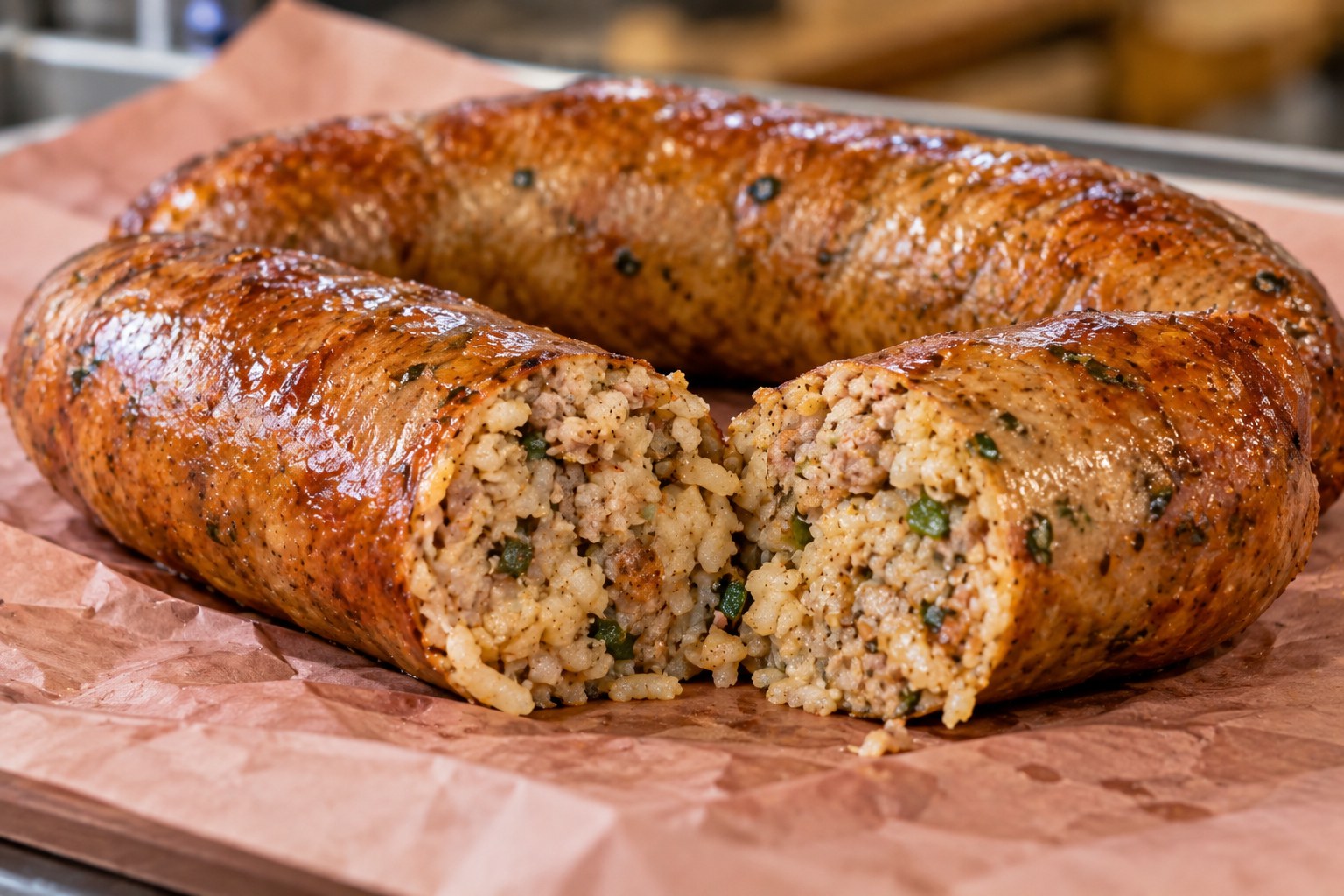
Boudin is rice, pork and seasoning packed into a sausage casing and sold warm by the link. You buy it from a meat market or a specialty grocer, a butcher counter with a line at it, not from a restaurant and not from a gas station. There is an official Cajun Boudin Trail connecting the serious ones across the region, and every single one makes it differently. Some are rice-forward, some are meatier, some have liver in them and some do not. People here have strong opinions about this and will share them with you.
Go to The Best Stop, and not just because I say so. When the Advocate ran a reader bracket of sixteen Acadiana boudin makers, about eleven thousand people voted and The Best Stop took it with sixty-nine percent. Rascals is the other one worth your time.
Understand first that The Best Stop is not a restaurant. It is a meat market with a few convenience shelves, plain from the road, and the same people cooking it are ringing you up. There will be a line. There is always a line.
What you get comes to you warm in a paper bag, and it steams when you tear the end off the link. The casing gives with a small snap and then it is soft rice and seasoned pork, heavier on both than most places manage, with enough black pepper and cayenne behind it to make you sit up. Nothing on it, because it does not need anything. You eat it standing next to your car, which is the correct way and not a charming detail I am inventing.
Bring an ice chest and buy more than you mean to. One thing worth saying plainly: buy it in the store. People who mail order it have a long history of being disappointed, and that is not what you want this to taste like.
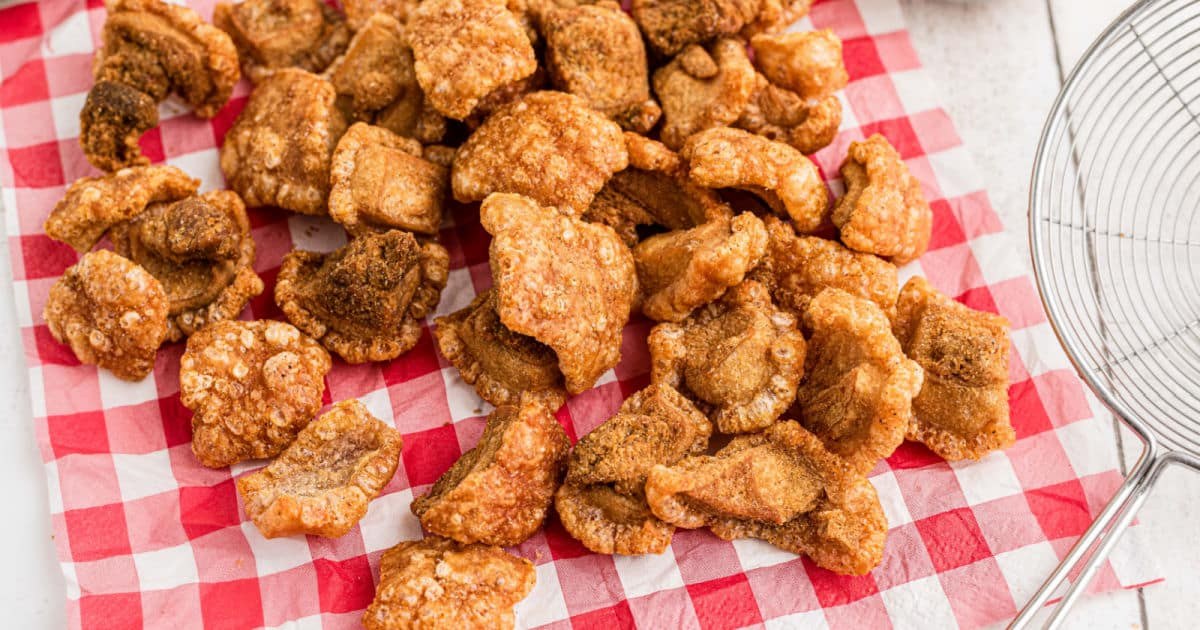
Buy a link at two places and compare. Get a bag of gratons while you are at the counter, the fried pork cracklins, still warm and loud when you bite them. Do not buy the large bag unless you intend to finish it, because nobody in the history of Louisiana has successfully saved cracklins for later.
Stop Five: Lafayette
3 miles · two nights · dinner, and music after
Three miles east of Scott, and this one is home.
I will not pretend to be objective about Lafayette. I live here, I eat here, and I have watched enough visitors arrive expecting a stopover and leave working out how soon they can come back. What catches people is not any single restaurant. It is that the food and the music and the people are not separate attractions you schedule around each other. They are the same thing, happening at the same time, on an ordinary Wednesday.
This is where you sleep, and I would give it two nights rather than one. Nearly everything else worth doing on this road sits within forty minutes of it, which means you unpack once and drive out and back instead of hauling your bag in and out of three hotels.
With an afternoon: Vermilionville, a living history village on the bayou with Acadian, Creole and Native American houses and people working in them who actually know the crafts. Ten dollars, closed Mondays, give it two hours. Downtown around Jefferson Street is walkable in an hour, and the cathedral there has a live oak beside it that was old before the town was.
For dinner I would send you to Poor Boy's Riverside Inn in Broussard, fifteen minutes south, which is close enough that nobody here counts it as leaving town. It is a big cabin of a dining room full of plants and art, white tablecloth cooking without the white tablecloth attitude, and the owners work the floor and stop at tables. Warm yeast rolls land before you have decided anything. Order the jumbo lump crab sauteed in butter, or the redfish stuffed with crab and mushroom. Save room, because the sweet potato beignets and the bread pudding are what people describe in the most detail afterward.
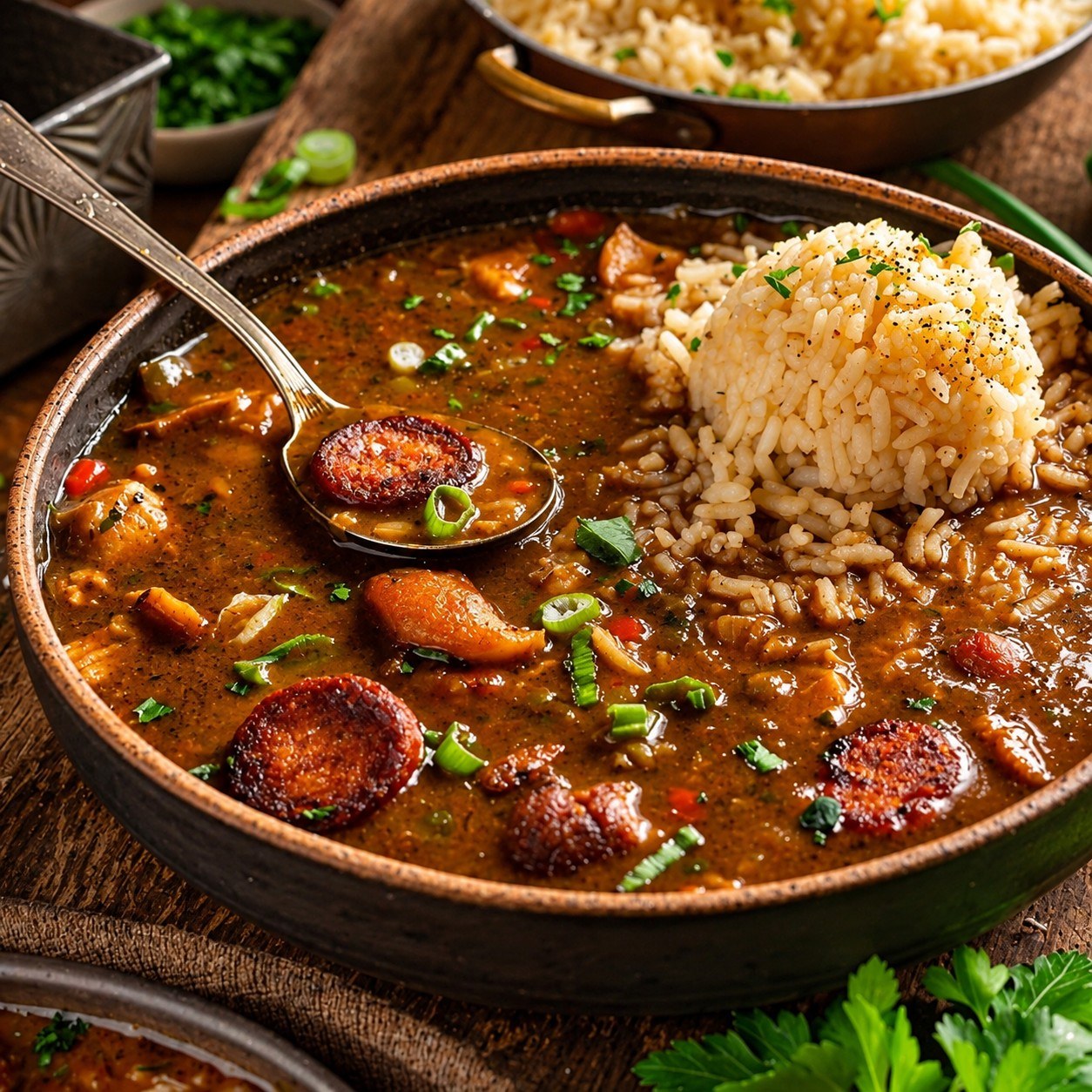
Order gumbo somewhere on this stretch and look at the color before you taste it. A proper dark roux is closer to melted chocolate than to gravy, and you smell it coming, toasted flour and onion, before the bowl reaches the table.
R&M Boiling Point out on Highway 90 is where you go in crawfish season, for boiled shrimp and crabs that come out with corn and potatoes and a pile of napkins. It is plain and family-run, with hand washing sinks standing out in the middle of the dining room, which tells you everything about how the meal is going to go.
Then go find music, and plan your nights around this rather than hoping. The Blue Moon Saloon on East Convent runs a Cajun jam every Wednesday at eight, and it is the most reliable room in town. Vermilionville holds a Cajun jam Saturday at one, included with admission. The farmers market at Moncus Park has one Saturday morning at nine, free.
Go even if you do not dance. Half the room will be over seventy and better at it than you will ever be, and that is the part no meal is going to tell you.
When to come: crawfish season runs roughly January into June, with March through May the sweet spot for size and price. Festival International in April turns downtown into five days of music and food. Festivals Acadiens et Creoles does the same in October.
If you want someone local to put the whole thing together, that is what I do.
Stop Six: New Iberia and Avery Island
25 minutes south on US 90 · a full day · lunch here
Day two, and you are leaving the interstate properly for the first time. It is worth it.
New Iberia was settled by Spanish colonists in the 1700s, which is why it is not called New Acadia, and it sits on Bayou Teche in the middle of sugar country. Main Street still has its shopfronts and its live oaks.
Start at the Conrad Rice Mill, which bills itself as the oldest operating rice mill in America and runs guided tours on the hour for five dollars. After a morning in Crowley looking at rice fields, standing inside a working mill closes the loop. Then Shadows-on-the-Teche, an 1834 townhouse with gardens running down to the bayou, though check your days: it opens Thursday through Saturday only, with tours at half past ten, half past eleven and two.
Lunch at Bon Creole, which is the one locals name first and which you will find by the enormous crawfish painted on the side of the building. Inside is decorated like a bayou fish camp, deer heads on the walls, and you order at the counter and wait for your name. It comes in styrofoam. The parking lot is Louisiana plates.
Get the shrimp po-boy, dressed, which here means lettuce, tomato, pickle and mayonnaise and nothing clever. It arrives double stuffed with shrimp coming out of the ends, and one of them feeds two people who are being honest with each other. The bread matters more than people expect: real Louisiana French bread has a crust that shatters when you bite it and sends crumbs down your shirt, over a middle soft enough to collapse around whatever is inside. It is fast, too. You can be eating twelve minutes after you walk in.
Landry's is the sit-down alternative, built out over a pond with walkways across the water, and Friday night is the seafood buffet with live Cajun music and people dancing. I would order off the menu rather than the buffet.
Then give the afternoon to Avery Island, twenty minutes further on. It is a salt dome pushing up out of the marsh, and Tabasco has been made on it since 1868 by the same family. The self-guided factory tour and the Jungle Gardens run about fifteen dollars together, both open nine to four, and together they are a solid two to three hours. The gardens are 170 acres you drive through, with a bird rookery and a centuries-old Buddha statue that nobody expects. I have brought groups here.
Sleep in Lafayette again.
Stop Seven: Breaux Bridge, the Crawfish Capital of the World
Day three · 6 miles from Lafayette · morning, and breakfast if it is Saturday
Day three starts east, and the oldest official title on this road. The state legislature named Breaux Bridge the Crawfish Capital of the World in 1959.
If it is a Saturday, you have one job and it is Buck and Johnny's zydeco breakfast. Doors at eight, music half past eight to half past eleven, ten dollars, no reservations. People dance before noon and nobody finds that strange.
Otherwise, go to Lake Martin first thing, ten minutes south of town. It is a cypress and tupelo swamp holding one of the largest wading bird nesting colonies in Louisiana: herons, egrets, ibises, roseate spoonbills, and alligators underneath them. Rookery Road runs along the water so you can watch from the car, and there is a boardwalk at the south end. Free. Give it forty-five minutes, or book a swamp tour out of Champagne's for about twenty-five dollars and ninety minutes on the water. Book that ahead, they fill up.
Then walk Bridge Street, which is antique shops and a short, genuinely pretty downtown on Bayou Teche, worth forty-five minutes.
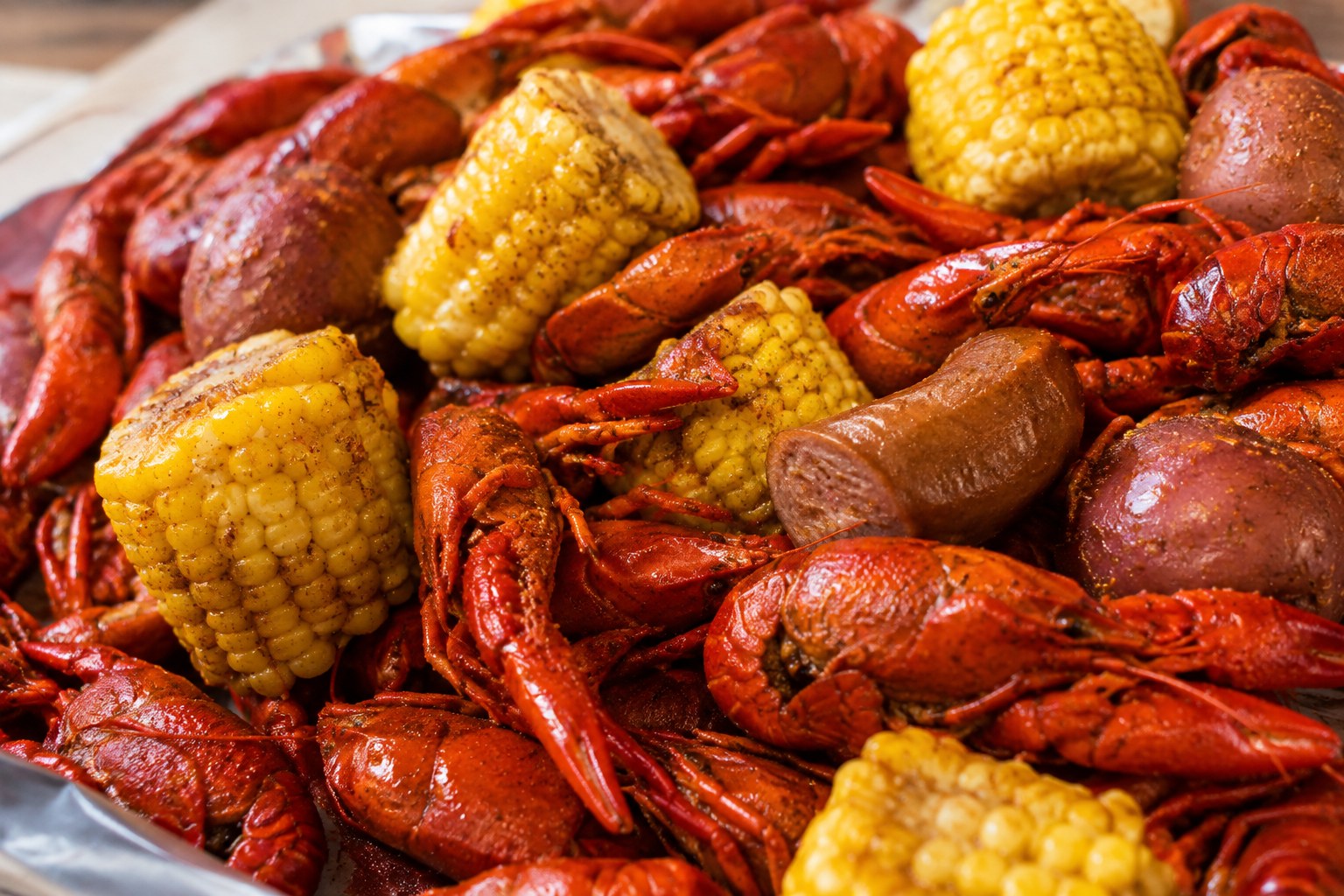
In season, eat boiled crawfish by the pound, dumped steaming straight onto a table covered in newspaper. They come out of the pot orange and glossy with seasoning, and you work through them with your hands. Break the tail from the head, pinch, pull. If somebody tells you to suck the head, do it once so you can say you did. It is loud and messy and communal and the cayenne will still be on your fingers tomorrow. If you have never peeled one, somebody will show you, and they will enjoy showing you. Cafe Sydnie Mae is the sit-down answer and the best room on this whole road. It sits in a 1925 building on the main drag and feels like a neighborhood cafe in New Orleans, with a proper bar and live music at a volume you can still talk over. Ask for a window seat. The bread starter arrives in a pan sitting in melted butter with a tomato sauce alongside, and everybody tells you to order it, so order it. The Teche Wellington is the signature, the duck gumbo has a roux people write paragraphs about, and the pecan pie is not an afterthought.
Book ahead and check the day. They are closed Monday through Wednesday, dinner only Thursday and Friday, brunch and dinner Saturday, brunch on Sunday.
Stop Eight: Henderson and the Atchafalaya Basin
Exit 115 · lunch · then the longest bridge of your life
Six miles on, and you are at the edge of the swamp.
Henderson exists because of the Atchafalaya. Cajun fishing families settled the rim of it, the levee went up, and they ended up with a row of landings looking straight into the water. It is tiny and it feels like a working waterfront rather than a destination. Airboats, crawfish trucks, screened porches.
Eat lunch at Pat's Fisherman's Wharf out on the levee road, two and a half miles off the main drag, where the windows look straight into cypress and boats go by while you eat. From the outside tables people watch alligators. There are cats on the property and crayons on the children's menus, and the building has the worn look of somewhere that was the centre of everything a few decades ago.
Order boiled or stuffed shrimp, the boulettes, or the soft shell crab, which comes cut in halves. The homemade tartar sauce is worth asking about. Be straight with yourself about this stop though: a tornado came through in 2024, the rebuild has been slow, and recent diners have been harder on it than they used to be. Go for the view and the water, order simply, and call ahead.
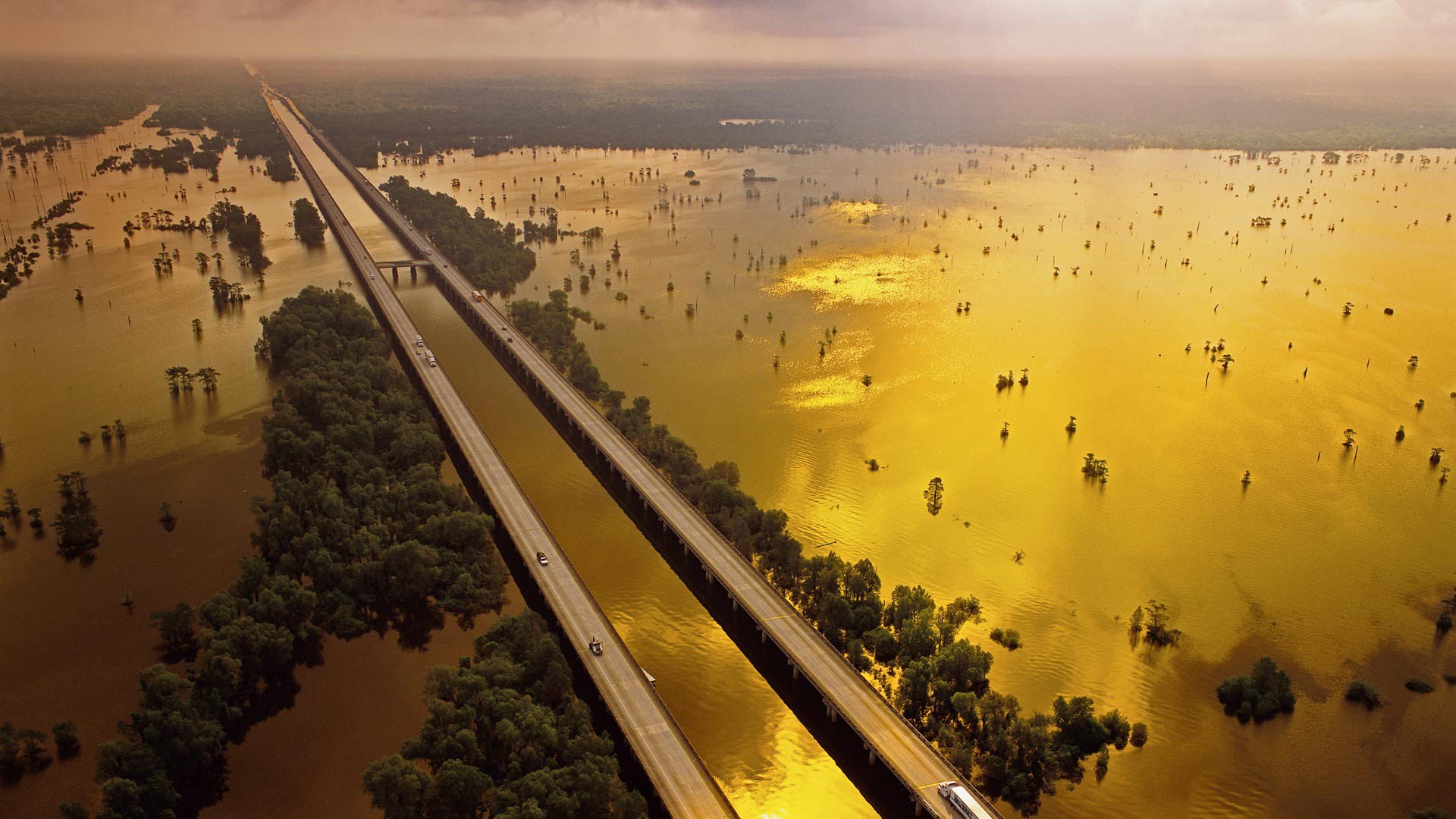
Then get back on I-10 and pay attention, because the next eighteen miles are on an elevated bridge over open swamp. It is the third longest bridge in the country and it opened in 1973. Most people cross it checking their phone. Do not be most people.
Stop Nine: Baton Rouge
50 miles · two hours · no meal, keep driving
The name is French for red stick, after a boundary marker on the bluff that divided two tribes' hunting grounds. It is a river city, a state capital and a college town all at once, which means it empties out in summer and loses its mind on football Saturdays.
Go up the Capitol. It is the tallest state capitol in the country at thirty-four stories, Huey Long pushed it through, it was finished in 1932, and he was shot inside it three years later. The observation deck on the twenty-seventh floor gives you the river, the refineries and the whole flat green sweep of it. An hour, including the walk around the grounds.
This is also where Cajun country hands off to Creole cooking. Same roots, different inheritance, more city in it.
If you want breakfast rather than lunch, Louie's Cafe near LSU is a 1941 diner with a lunch counter and the griddle in full view, which means you hear your food before you see it. It was open around the clock for decades and is not any more, so check before you plan a late night around it. These days it runs mornings into the early afternoon.
The hash browns are the reason to go and regulars ask for the crispy bits added. They come off that griddle lacy at the edges and loose in the middle. The omelets are enormous and the fries come in a portion built for two. Parking is tight, so do not bring anything large. If you are heading to St. Francisville tonight, save your appetite.
Stop Ten: St. Francisville
40 minutes north on US 61 · afternoon and overnight · dinner
The longest detour on this road and the one I would most hate for you to skip.
Spanish Capuchin monks took a land grant here in the 1770s and the town grew up around their cemetery. It sits on a narrow ridge above the Mississippi, which is why people have described it for generations as two miles long and two yards wide. Below the bluff was Bayou Sara, once one of the biggest cotton ports on the river, finished off by war, fire, flood and the boll weevil until almost nothing of it is left.
What is there now is a walkable town of antique shops, old houses and ninety-foot bluffs, and three things worth planning an evening around.
There is a speakeasy called Proud Mary's that you reach through a door hidden in an armoire at the back of Big River Pizza. Wednesday through Saturday evenings. There is Bayou Sara Brewing Company, family-run and brewing on site. And there is The Myrtles, a house from the 1790s on US 61 that runs as a bed and breakfast, has traded on being haunted for a very long time, and does evening mystery tours and a restaurant on the property.
Big River opened in 2025 and does twelve inch Neapolitan pies out of a wood fired oven. Order at the counter or off the code on the table, and someone runs it out to you. Subway tile, Edison bulbs, a patio and a garden out back. Then walk to the rear of the room, find the armoire in the hallway, and let yourself through it into Proud Mary's, which is dark purple and cherry red and adults only and about as far from a pizza dining room as a door can take you. Pizza until nine, the bar until eleven, Wednesday through Saturday.
Then sleep in the haunted house if that amuses you. If you want a proper sit-down dinner instead, The Francis Southern Table and Bar.
This is the night that turns a food drive into a trip people tell stories about afterward.
Stop Eleven: Gonzales, the Jambalaya Capital of the World
Day four · exit 177 · 20 minutes, or a whole day in May
Back down to the interstate and east. Governor John McKeithen named Gonzales the Jambalaya Capital of the World in 1968. The town itself is Baton Rouge's industrial-corridor neighbor, chemical plants and chain hotels on one side, cane fields on the other.
Let me be honest about this stop, because it is not what you would assume. The jambalaya reputation here does not live in a restaurant. It lives in black iron pots, in competition, at the Jambalaya Festival every May, where cooks compete for World Champion and defend the title seriously. Come through in May and you will eat the best jambalaya of your life standing in a field. Come through in October and you are looking for a decent plate like anywhere else.
What matters either way is understanding what you are eating. This is brown jambalaya country. No tomato anywhere near it. The color comes from meat browned hard in the bottom of a black iron pot and then scraped up when the stock goes in, which is also where the flavor comes from, and the rice cooks in all of it until every grain has gone the same deep brown. It is not the red Creole version you may have had somewhere else. Both are real, they are just different dishes wearing the same name, and saying otherwise out loud in the wrong parish will start something.
Stop Twelve: Manchac
20 minutes up I-55 · lunch · worth the turn
This is a swamp crossing rather than a town. Lake Maurepas on one side, Lake Pontchartrain on the other, a strip of road between them and not much else.
You come for Middendorf's, which has been here since 1934 and is the reason anybody makes this turn. There is a deck out over the water and an ornate bird coop on the property with roosters in it, which nobody explains and nobody needs to.
Order the thin-fried catfish, and thin is not a figure of speech. They butterfly the fillet and slice it down until it fries into something closer to a potato chip than a piece of fish. It arrives in a pile and shatters when you bite it. Here is the part people get wrong: it comes breaded in corn meal and corn flour with no seasoning in it at all, deliberately, and you salt it yourself at the table. The tartar sauce is in squeeze bottles in front of you and they will bring sliced onion and lemon if you ask.
Sunday around midday is the peak and you can wait half an hour. Go in October and the staff are in German dress with an accordion player working the room, which is a thing that happens at a catfish place in a Louisiana swamp and is not worth questioning.
Stop Thirteen: LaPlace, Andouille Country
Exit 206 · 20 minutes · buy, do not eat
You are not hungry. You just had Middendorf's. Stop anyway, because this is a shopping stop.
LaPlace sits on the German Coast, which is a real name for a real thing. German farming families were brought in during the French colonial period, and that is why the smoking tradition here is as German as it is Cajun. The town calls itself the Andouille Capital of the World and throws an Andouille Festival in the fall.
Andouille is the heavily smoked pork sausage that goes into gumbo and jambalaya and holds its shape against both. Bailey's and Jacob's sit near each other on West Airline and smoke noticeably differently, and people here can tell them apart blind. Buy links from both. Vacuum sealed they travel, and it is the best souvenir on this road, better than anything with a pelican on it.
If you skipped Middendorf's, Wayne Jacob's Smokehouse has a dining room attached to a working smokehouse, which means you smell it from the parking lot. Order at the counter. The chicken and andouille gumbo comes with potato salad and French bread, and the potato salad has some heat in it. Shelves of cryovac andouille, tasso and smoked sausage line the room so you can shop while you wait. Daytime hours only, roughly nine until two, so this is lunch or nothing.
Stop Fourteen: New Orleans
25 miles · the end · stay two nights if you can
Twenty-five miles and you are there, and the whole country already agrees with you about this part.
I am not going to try to tell you how to eat in New Orleans in three paragraphs. Better writers have given it whole books and still left things out. What I will tell you is that arriving by this road changes what you taste when you get here. You will notice the gumbo is darker than the one you had in Lafayette, and you will know why. You will recognize the andouille, because you drove through the town that smokes it and there is a bag of it in your cooler. You will know whose rice is under it. The city version of all of it is richer and more French and further from the country, and that distance only means something if you have just come across the country it moved away from.
One thing about the city that explains a lot: it was founded in 1718 on the only high ground between the river and the swamp, and the street grid fans out in wedges following the river's bends. That is why nobody here navigates by north and south. It is lakeside, riverside, uptown and downtown.
Eat at Liuzza's by the Track, in Mid-City a block off the Fair Grounds. It is a small neighbourhood room with the bar sitting in the middle of where you eat, no ceremony anywhere, and it is the place locals name when they are tired of being asked.
Order the barbecue shrimp po-boy, which has nothing whatsoever to do with barbecue and is not really a po-boy either. It arrives in a bowl, the shrimp swimming in a garlic butter sauce heavy with black pepper, and the French bread comes on the side so you can tear it and dunk. You will use a fork and you will use all the bread. The gumbo is the other order, and the fried oyster po-boy with bacon on it if you are two people sharing.
Sit at the bar if there is a wait, where regulars report there usually is not one. Closed Sundays and it shuts by early evening, so make it lunch.
New Orleans is the destination on every list. It is better as the last chapter of something longer.
How to Actually Do It
Here is the trip as I would actually build it for a client. Four days, four nights, two of them in the same bed.
Day one. Lake Charles to Lafayette. Drive the Charpentier district in the morning and give an hour to the Mardi Gras Museum. Lunch at Darrell's. East to Crowley for the afternoon, downtown and the four museums inside City Hall. Eight miles to Rayne for the murals and the cemetery, forty-five minutes, no food. Ten miles to Scott for boudin eaten standing in the parking lot, which is your afternoon snack. Into Lafayette by five. Dinner at Poor Boy's or Prejean's, music after if it is a Wednesday. Sleep in Lafayette.
Day two. New Iberia and Avery Island. Out of Lafayette by nine. Conrad Rice Mill, then Shadows-on-the-Teche if it is Thursday through Saturday. Lunch at Bon Creole. Avery Island all afternoon for the Tabasco tour and the Jungle Gardens. Back to Lafayette for dinner and sleep in the same bed. This is the day the trip stops feeling like driving.
Day three. Breaux Bridge to St. Francisville. Lake Martin at first light for the rookery, or Buck and Johnny's zydeco breakfast if it is Saturday. Walk Bridge Street. Lunch at Pat's in Henderson looking into the swamp, then drive the eighteen-mile bridge over it. Baton Rouge mid-afternoon for the Capitol observation deck. North to St. Francisville, dinner at Big River Pizza and the speakeasy behind the armoire, and sleep at The Myrtles if the idea amuses you.
Day four. Into New Orleans. Walk St. Francisville in the morning. Gonzales on the way past. Lunch at Middendorf's out at Manchac, which is worth the twenty minutes up I-55. Stop in LaPlace long enough to buy andouille from two different smokehouses, then into the city by late afternoon with a cooler full of sausage.
Shorter versions. Three days works if you cut day two and choose between New Iberia and St. Francisville. Two days works if you start in Lafayette and drive east: Scott, Breaux Bridge, Henderson, New Orleans. One long Saturday works if you just want the boudin and the swamp.
When to go. February through May is the window. Crawfish are running, the weather is still comfortable, and the festivals land in there. Summer is hot in a way that has to be experienced to be believed. October is lovely and brings Festivals Acadiens et Creoles in Lafayette and the Rice Festival in Crowley.
Pack a cooler. You will want one by Scott and you will be glad of it by LaPlace.
Why Hire Me
Let me be straight with you about what this trip needs, and what it does not.
It does not need rescuing from complexity. It is one highway. You could take this article, a phone and a cooler, drive east, and have a wonderful few days. If that is what you do, I will be glad you went, and I mean that. Not every trip needs somebody like me, and I would rather tell you so than sell you something.
What I am is the person who lives on this road and knows the things that are hard to learn from outside it. Which counters have a line because the boudin is worth it and which have a line because somebody put them on a list. What is actually in season the week you are coming, because crawfish in February and crawfish in April are not the same experience, and nobody warns you until you are looking at a small expensive pile of them wondering what the fuss was about. Which festival weekend is worth building a trip around and which one means you will not find a hotel room inside of forty miles. Where to stay in Lafayette so that after dinner you can walk to the music instead of getting back in the car.
None of that is secret knowledge. It is just a lot of small decisions that have to be made in the right order, months before you leave, by somebody who is paying attention. That is the work, and I like doing it.
I drive this road for groceries. When I plan it for you, I am sending you to the places I would send my own family, and I will tell you plainly when a week you have picked is the wrong week.
If this trip is one piece of something bigger, a longer road trip or a Gulf Coast run, I will plan the whole thing, book the hotels, and stay reachable while you are out there. Through Fora my clients receive hotel perks like breakfast and upgrades at no extra cost, at the same rates you would have found on your own.
Tell me your dates and how many days you have, and I will tell you honestly whether the crawfish will be running.
Louisiana Road Trip Questions
Do you really eat in every town on this route?
No, and you could not. Crowley and Rayne are eight miles apart. The route works because most stops are not meals: Scott is boudin eaten standing by your car, Rayne is a walk around the murals, LaPlace is where you buy andouille to take home, and Crowley and Baton Rouge are sightseeing. The actual sit-down meals land in Lake Charles, Lafayette, New Iberia, Henderson, St. Francisville, Manchac and New Orleans, which spaces them about right.
Is everything on this route right off the interstate?
No, and the ones that are not are worth the turn. Henderson and Gonzales are a couple of minutes off. Broussard is fifteen. Manchac is twenty minutes up I-55. New Iberia and Avery Island are twenty-five minutes south on US 90. St. Francisville is the longest at about forty minutes north of Baton Rouge. I give the drive time at every stop so you can decide what fits your days.
How long does the Louisiana I-10 food road trip take?
Four days and four nights is the honest answer, with two of those nights in Lafayette so you unpack once. Three days works if you skip the New Iberia and Avery Island day. Two works if you start in Lafayette and drive east. The drive itself is only about three and a half hours without stopping, but the stopping is the entire point.
What is the best time of year for a Louisiana food road trip?
February through May. Crawfish are running, the weather is still comfortable before the summer heat, and the big festivals fall in that window. October is the other good one, cooler and quieter, with Festivals Acadiens et Creoles in Lafayette.
When is crawfish season in Louisiana?
Roughly January through June, with March, April and May the best months for size and price. Early season crawfish are smaller and cost more. If boiled crawfish is the reason you are coming, do not plan a February trip and hope.
What is boudin and where do you buy it?
Boudin, pronounced boo-dan, is rice, pork and seasoning in a sausage casing, sold warm by the link. You buy it from meat markets and specialty grocers, not restaurants. The town of Scott was designated the Boudin Capital of the World by the Louisiana State Legislature in 2012, and there is an official Cajun Boudin Trail connecting the counters across the region.
Which towns on I-10 are official food capitals?
Breaux Bridge was named Crawfish Capital of the World by the state legislature in 1959, Gonzales was named Jambalaya Capital of the World by Governor McKeithen in 1968, and Scott was named Boudin Capital of the World by the legislature in 2012. Crowley and Rayne carry the Rice Capital and Frog Capital titles as well.
Where should I stay on a Louisiana food road trip?
Lafayette for two nights, because it sits in the middle of the best eating and has the restaurants, hotels and live music to anchor the trip. Then New Orleans at the end. If you have a fifth night, spend it in St. Francisville rather than Baton Rouge. You can sleep at The Myrtles, which has been trading on being haunted for a long time and runs evening tours.
Can you plan this trip for me?
Yes, and it is one of my favorites. I live in Lafayette, in the middle of this route. I handle the hotels, the timing around crawfish season and festivals, and the parts that are hard to judge from outside, then stay reachable while you are on the road.
© 2026 Getaway Girl Destinations