
The first time I stood at the summit of Haleakala on Maui, watching the sun rise over a sea of clouds, I understood why people cross oceans for these islands. I have since chased that same light across Oahu and hiked to overlooks on Kauai where the Na Pali cliffs drop straight into the sea.
What I learned along the way is that the real question is never whether to go to Hawaii. It is when. And the honest answer changes depending on which island you pick, because the four main islands do not share a season. A week that is perfect on the Big Island can be the wettest week of the year on Kauai's north shore.
That is the part most people miss when they plan Hawaii themselves. They choose the dates first, usually around work and school, and then pick an island without realizing the two decisions are really one decision. Let me walk you through it the way I would if you were sitting across from me.
Hawaii Has Two Seasons, Not Four
Forget everything you know about spring, summer, fall and winter. Hawaii has two seasons, and the locals have names for them.
Summer runs roughly April through October. Drier skies, calmer water, long glassy mornings made for snorkeling. Winter runs November through March. Wetter, greener, big surf on the north facing shores, and the humpback whales come home.
Neither one is better. They are two different trips, and the mistake is not picking the wrong season. The mistake is picking a season without knowing which one you chose.
Here is the piece almost nobody tells you, and it changes where you should stay. In winter, the north facing shores take the big swells and the south shores stay calm. In summer, it flips, because the swells arrive from the southern hemisphere instead. So if you are going in January and you want calm water to swim in, I put you on a south or west facing coast. Same island, entirely different week.
Oahu
Oahu is at its easiest in summer. Waikiki is calm and swimmable, the days stretch long, and the whole island is forgiving if it is your first time in Hawaii.
Winter is a different island. The North Shore turns into some of the biggest rideable surf on earth, and the best surfers alive show up to ride it. Watching that from the sand at Pipeline is one of the great free experiences in travel. You will not be swimming there, and you should not try, but you will not forget it either.
So: summer for a beach trip, winter if you want to witness surfing at the level most people only see on a screen. Either way Oahu has the most to do and the easiest flights, which is why I send most first timers there.
Maui
Maui belongs to the whales from December through April. Humpbacks come down from Alaska to calve in the warm shallow channel between Maui, Lanai and Molokai, and in February and March you can stand on a beach and watch them breach without leaving your towel. A morning on a boat in that channel is the kind of thing people talk about for years.
Spring and fall bring thinner crowds and gentler weather for the drive to Hana and for sunrise at Haleakala, that moment above the clouds I still think about. One practical note on Haleakala: sunrise requires a reservation booked in advance, and they go quickly. I handle that when I plan the trip, because showing up without one means being turned around at the gate in the dark.
For honeymooners, Maui hardly has a wrong month. If you want whales, come in winter. If you want the best balance of weather, price and quiet, come in spring or fall.
Kauai
The Garden Isle is the greenest and the wettest, and those are the same fact. All that rain is why it looks the way it does.
What matters is that Kauai's weather splits by coast more sharply than any other island. The north shore around Hanalei and Princeville is lush and gets the most rain, especially November through March. The south shore around Poipu stays noticeably drier year round. If your heart is set on Kauai in winter, I put you in the south and we plan the north as a day trip when the sky cooperates.
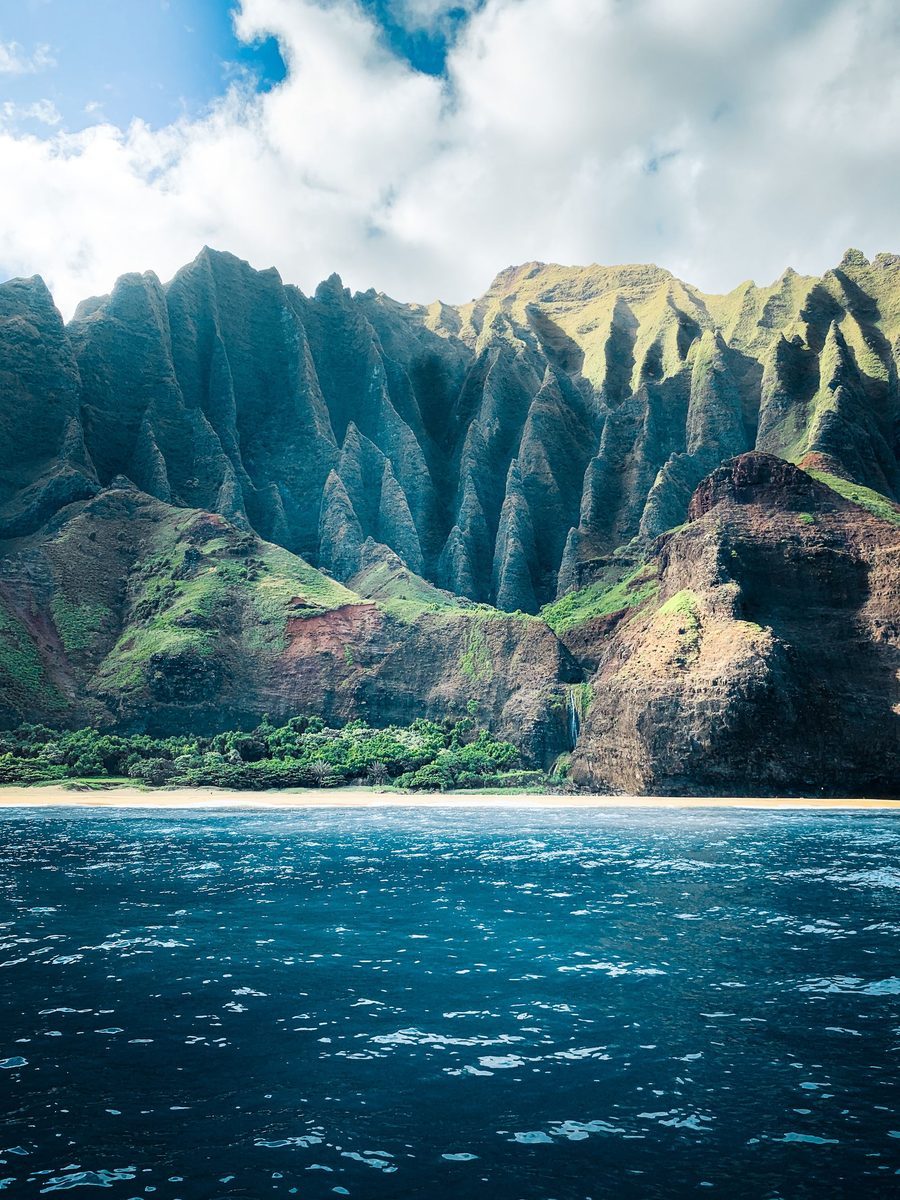
Late spring through summer gives you the driest skies and the best odds of seeing the Na Pali Coast the way it deserves to be seen, from a boat or from the air. Those tours cancel in rough water, and winter is when they cancel most. If Na Pali is the reason you are going, that alone should decide your month.
The Big Island
The Big Island is the most forgiving island to plan, because it holds nearly every climate on earth inside one coastline. The Kona side on the west stays sunny most of the year. The Hilo side on the east is genuinely one of the rainiest places in the United States. Same island, opposite weather, two hours apart.
So the Big Island is less about when and more about where you sleep. Base yourself on the Kona or Kohala coast and you will have sun almost any month you choose. Winter brings snow to the summit of Mauna Kea, which is a strange and wonderful thing to see from a beach.
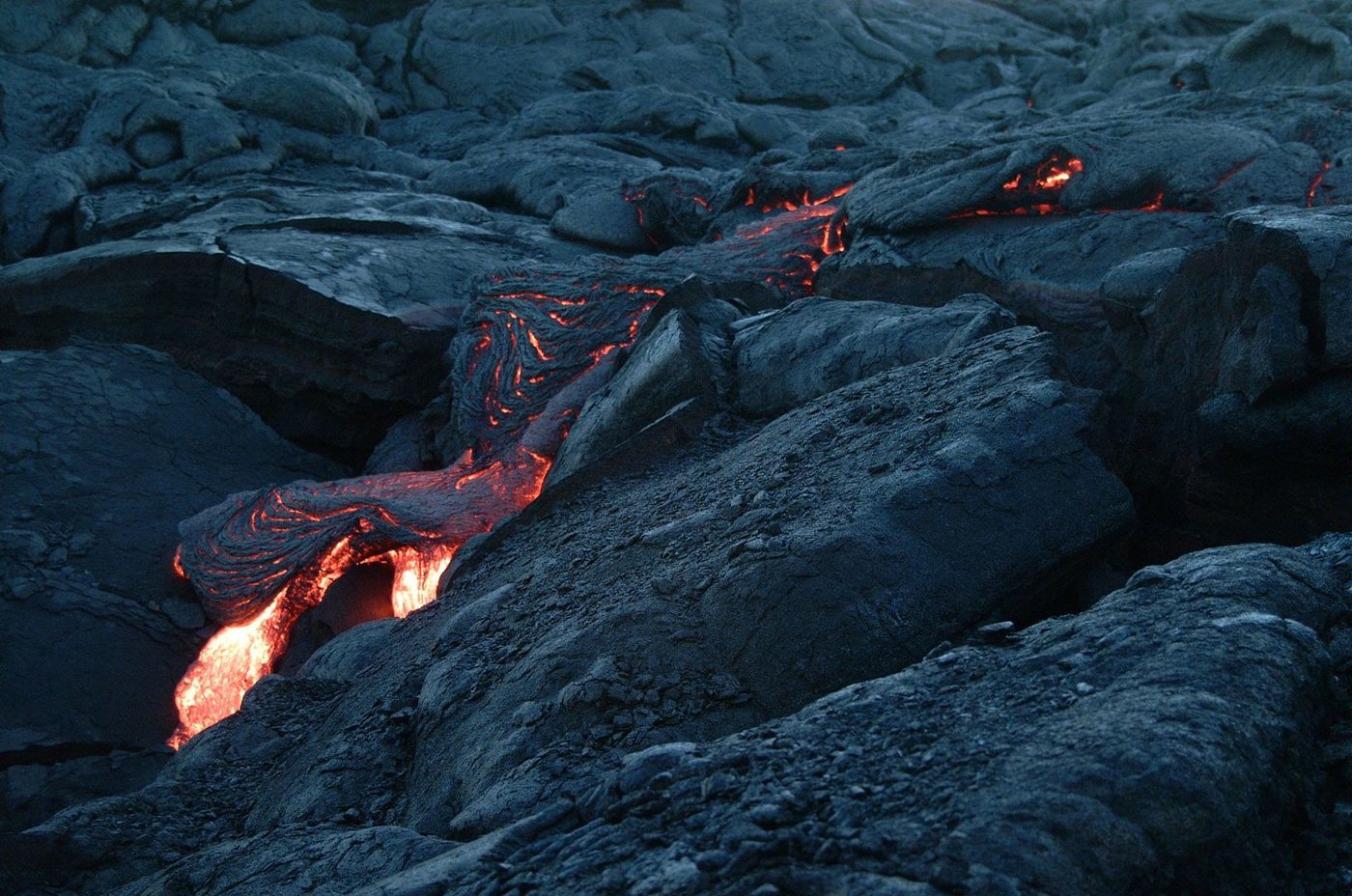
One honest caution: vog, the haze that drifts off the volcano, can settle over parts of the island depending on the wind. It comes and goes, it is rarely trip ruining, and it is worth knowing about rather than being surprised by.
The Weeks I Steer People Away From
Let me be straight about the expensive weeks, because this is where Hawaii budgets quietly fall apart.
Mid December through the first week of January is the most expensive stretch of the year, often by a wide margin, and the best resorts sell out months ahead. Spring break in March is the second. Mid June through early August is busy and pricey because every family in America has the same window.
None of those are bad times to go. The weather is lovely. You are simply paying the most and sharing the beach with the most people. If those are your only dates, we book early and I will tell you honestly what it costs.
The Sweet Spot
If you have any flexibility at all, aim for late April into May, or September into early November.
Warm days, water that has settled down, crowds that have gone home, and rates that drop noticeably from peak. September and October in particular are the quiet secret of Hawaii travel. This is where I steer every traveler who can move their dates, because it is the best of everything at once.
So How Do You Actually Decide?
Work backwards from the one thing you most want.
If it is whales, you are going to Maui between January and March. If it is calm water and snorkeling, you are going in summer, anywhere. If it is the Na Pali Coast, you are going to Kauai between May and September. If it is surf as spectacle, Oahu's North Shore in winter. If it is the best value with good weather, late April, May, September or October, almost anywhere.
And if what you want is simply to be somewhere beautiful with the person you love and not think about any of this, the Kona coast of the Big Island in May is very hard to beat.
Why Hire Me
Let me be straight with you about what I bring to this. I am not going to pretend I invented any of the weather patterns above. You could find most of it with enough reading and enough tabs open.
What you cannot easily find is the next layer down. Which resort on that coast actually sits on swimmable sand and which one is a ten minute walk from it. Whether an ocean view is worth the upgrade at that particular property or whether the garden view looks at the same water. Which snorkel operator cancels responsibly in rough water and which one takes you out anyway and ruins your morning. Which week in May is still shoulder pricing and which one has quietly become peak because of a local event nobody outside the islands has heard of.
I have island hopped across Hawaii more times than I can count, and I have planned these trips for travelers whose dates were fixed and who needed someone to make the most of them. I book through Fora, which means my clients regularly receive resort credits, room upgrades and breakfast at no extra cost, at the same rates you would have found yourself. The planning costs you nothing extra, and it frequently returns more than it costs.
And when something goes sideways while you are there, a cancelled flight, a room that is not what was promised, you text me. You do not sit on hold from six time zones away on the first morning of your vacation.
The real secret to a good Hawaii trip is choosing the island and the season together, as one decision instead of two. Tell me what you are chasing, whales or waves, quiet sand or dramatic cliffs, and I will match the island, the timing and the resort so the Hawaii you have been picturing is the one you actually get to live.
Hawaii Timing Questions
What is the best month to visit Hawaii?
May, September and October are the best overall, with warm weather, thinner crowds and rates well below peak. If you want whales, come between January and March instead. The most expensive weeks are mid December through early January, spring break in March, and mid summer.
Which Hawaiian island has the best weather?
The Big Island's Kona and Kohala coasts are the most reliably sunny year round, because the island's wet weather sits on the opposite side. Kauai is the wettest overall, particularly the north shore in winter, though its south shore around Poipu stays much drier.
When can you see whales in Hawaii?
Humpbacks are in Hawaiian waters from roughly December through April, with the peak in January, February and March. Maui is the best place to see them, because the sheltered channel between Maui, Lanai and Molokai is where they calve. You can often watch them breach from the beach.
Is it worth going to Hawaii in the rainy season?
Often yes. Winter rain tends to come in short bursts rather than all day, the islands are at their greenest, and you get whales and world class surf that summer does not offer. The key is choosing the right coast, because in winter the south facing shores stay calm while the north takes the swell.
What is the cheapest time to go to Hawaii?
Late April into May, and September into early November. Those windows sit between the school holidays, so you get good weather at noticeably lower rates. Avoid the winter holidays, spring break and mid summer if price is your main concern.
How far in advance should I book a Hawaii trip?
Six to twelve months for peak travel, and longer if you want a specific resort or room category over the winter holidays. Hawaii's best properties fill early. Shoulder season trips can often be booked on shorter notice, so it is always worth asking.
Should I visit more than one Hawaiian island?
Only with ten nights or more. Each island hop costs most of a day once you account for the rental car return, the airport and a new check in, even though the flight itself is short. For a week or less, one island will give you a better trip.